
Understanding Different Types of Insurance: Protecting What Matters Most
Key takeaways
- Insurance splits into two jobs: protecting what you have built, and protecting your ability to earn and meet obligations.
- Most people focus on property coverage and underestimate the second category, especially disability insurance.
- For health coverage, the number that matters is your actual out-of-pocket cost for the care you use, not the premium alone.
- Renters insurance is often overlooked despite being one of the least expensive coverages available.
- Coverage should fit your stage of life. Capitol Benefits reviews the whole picture for clients across DC, Maryland, and Virginia.
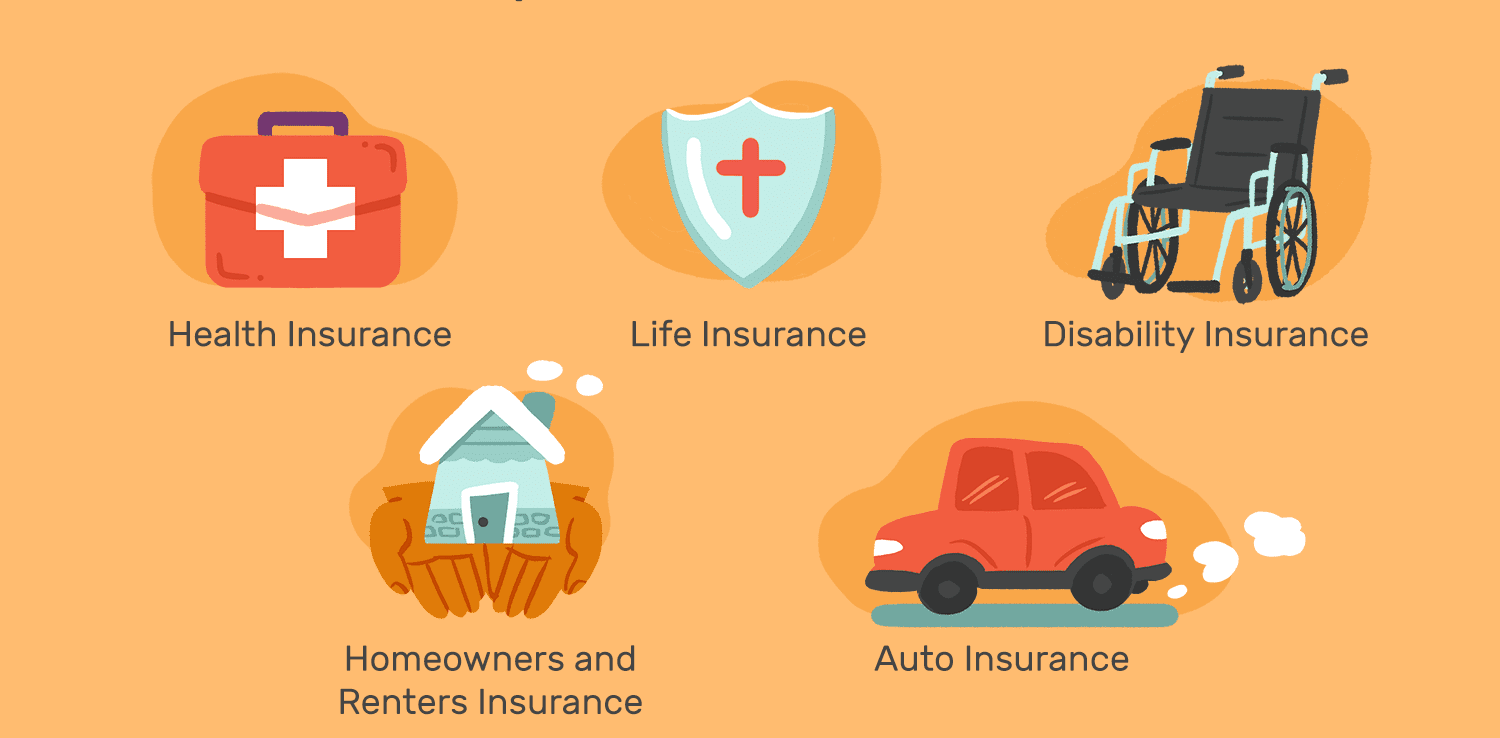
Insurance falls into two broad categories: coverage that protects what you’ve built (your home, business, and assets), and coverage that protects your ability to earn and pay your obligations (health, disability, and life). Most people focus on the first category and underestimate the second. Here’s a practical look at each type and how to think about it.
Health Insurance
Whether you’re getting it through your employer, buying it on your own, or on Medicare, the key questions are the same: what are your actual out-of-pocket costs for the care you use most, and does your plan give you access to the doctors and hospitals you prefer? In the DMV area, major health systems like MedStar, Inova, and Children’s National don’t participate in every plan — confirming your providers are in-network before choosing a plan is worth the extra ten minutes.
Auto Insurance
Maryland, DC, and Virginia each have different minimum liability requirements, and they differ from each other. If you commute across state lines, your policy needs to work in all three jurisdictions. More importantly, the minimums are just a floor — in the DC metro area, where traffic density and repair costs are both high, minimum limits often aren’t enough to protect you from a serious claim. Uninsured and underinsured motorist coverage is especially important given the significant number of drivers in this area carrying no insurance or bare minimums.
Homeowners and Renters Insurance
Your home is likely your largest asset. The most important number in your homeowners policy is your dwelling coverage limit — it needs to reflect what it would actually cost to rebuild your home today. In the DC area, construction costs run above national averages, so many homeowners are underinsured without realizing it. Renters insurance is often overlooked by tenants who assume their landlord’s policy covers their belongings — it doesn’t. Renters coverage is also remarkably inexpensive, typically $15 to $25 per month.
Life Insurance
Life insurance is income replacement. If someone depends on your income, life insurance protects them financially if you’re not there to provide it. Term life is the most straightforward and cost-effective option for most families. For most people, the right question isn’t whether to have life insurance — it’s whether the amount you have is actually enough.
Disability Insurance
The most underused coverage in most people’s financial plans. Your ability to earn an income is your most valuable financial asset, and a long-term illness or injury can eliminate it completely. Short-term and long-term disability insurance replace a portion of your income when you can’t work. If your employer doesn’t offer this, or if you’re self-employed, it deserves a serious look.
Business Insurance
Your personal insurance doesn’t cover your business. A basic commercial package — general liability, commercial property, and business income coverage — is the starting point, with professional liability, cyber, and workers’ compensation layered on depending on your business type and industry.
Where to Start
Figure out what you’d struggle to replace or recover from financially, and make sure that risk is covered first. Most people under-insure the risks that would hit them hardest and carry coverage they don’t need in other areas. Capitol Benefits works with individuals and businesses throughout DC, Maryland, and Virginia to help sort out what you actually need. Reach out anytime.
Frequently Asked Questions
What types of insurance do most people actually need?
Health coverage, auto insurance if you drive, homeowners or renters insurance for where you live, and life insurance if someone depends on your income. Disability coverage belongs on that list more often than people assume.
Why is disability insurance so often overlooked?
Because it protects income rather than property, so the risk is less visible. Yet a period of lost income can be more financially damaging than most property claims.
How do I compare health plans properly?
Look past the premium at the deductible, out-of-pocket maximum, and how the plan covers the care and prescriptions you actually use, then confirm your providers are in network.
Do I need renters insurance if I do not own much?
Usually yes. It covers your belongings and, importantly, personal liability if someone is injured in your home. It is among the least expensive policies you can buy.
Related reading from Capitol Benefits
Ready when you are
Let's take a look at what you've got.
A real review of your current coverage. No deck, no pressure, and usually some money saved along the way.