
Preventing water damage after winter
Key takeaways
- Winter damage often stays hidden until spring, when frozen water thaws and reveals cracks, blockages, and slow leaks.
- Check the roof, gutters, and downspouts once the weather warms, since ice and snow load cause damage that is easy to miss.
- Look for foundation cracks and grading problems that will channel spring rain toward the house.
- Sudden water damage is often covered while gradual seepage and maintenance issues usually are not, which makes early detection valuable.
- A spring walkthrough is cheap insurance. Capitol Benefits can review what your DC, Maryland, or Virginia policy actually covers.
- Remove any snow around your house (not that we got much this season here in Maryland) so thawed snow drains away from your home. Remove obstructions or debris so there is a clear path for water to move away from your house.
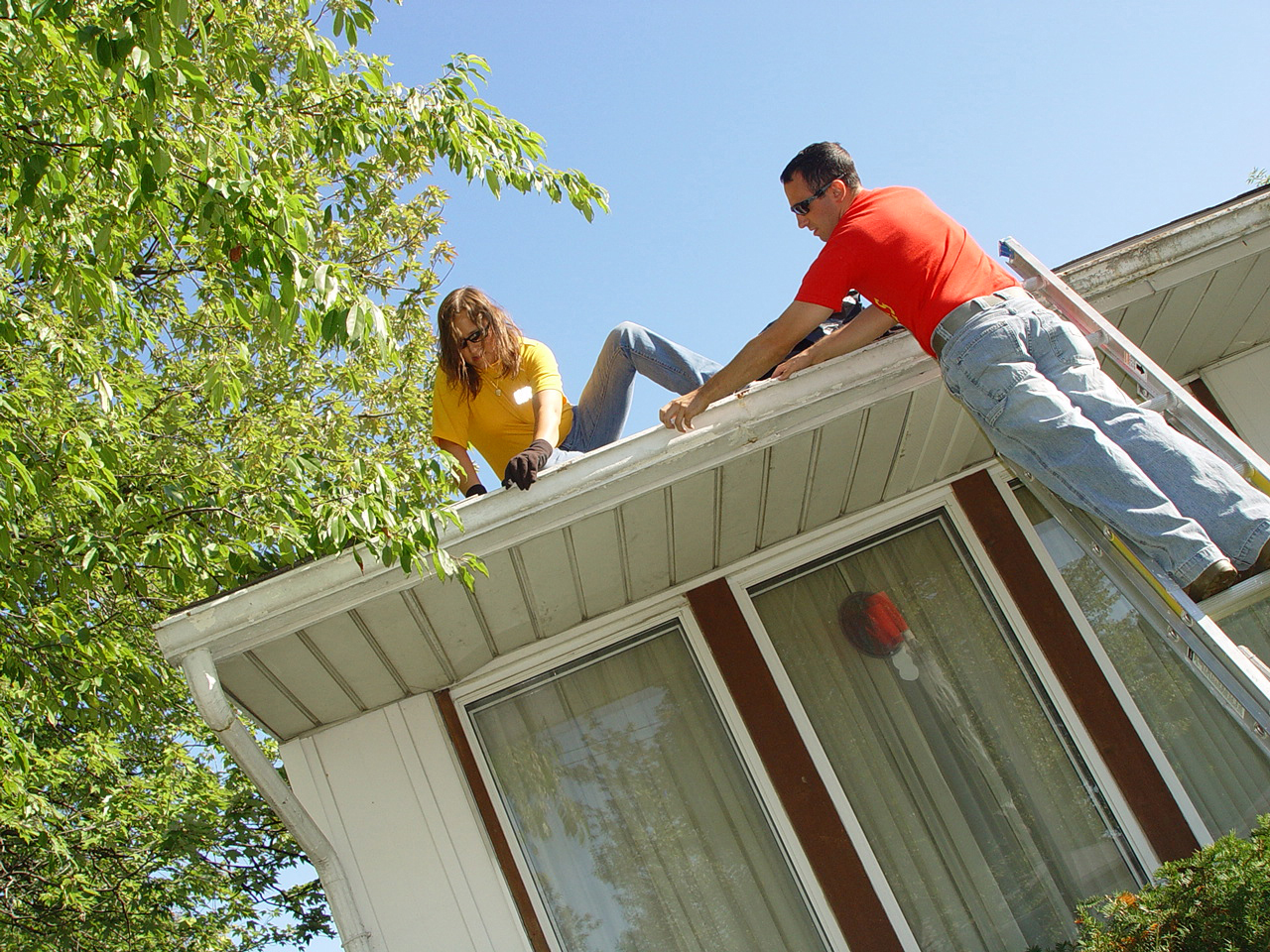
- Do routine maintenance on your gutters, downspouts, and drains. If not properly inspected, these could cause flooding. Again, make sure any debris, ice, and snow are gone so water moves away from your home.
- Inspect your roof! We are more than happy to refer you to a great roofing company so you can ensure the roof is well equipped for storms and keeping any water from coming inside your home.
- Purchase flood insurance with us. Unbeknownst to some, homeowners policies do not include flood damage so a separate policy is needed. We definitely recommend not waiting any longer so you already have the flood insurance should a claim arise. Never wait until it’s too late!
Frequently Asked Questions
What winter damage shows up in the spring?
Roof and flashing damage from ice and snow load, cracked or separated gutters, foundation cracks from freeze and thaw cycles, and slow leaks that only appear once frozen water thaws.
Does homeowners insurance cover water damage found in spring?
It depends on the cause. Sudden and accidental water damage is generally covered, while gradual seepage, long-term leaks, and maintenance-related deterioration are typically excluded.
What should I check first after winter?
Start with the roof and gutters, then the foundation and grading, then interior ceilings and basement walls for staining that suggests a slow leak.
Why does documenting maintenance matter?
If you do file a claim, records of inspections and repairs help demonstrate that the damage was sudden rather than the result of long-term neglect.
Related reading from Capitol Benefits
Ready when you are
Let's take a look at what you've got.
A real review of your current coverage. No deck, no pressure, and usually some money saved along the way.