
Drone Adventures Await: Best Practices for Responsible Flying and Coverage
Nearly 400,000 recreational drones are registered with the FAA, but many pilots still miss key drone regulations. Flying without knowing your legal duties or insurance details can lead to costly problems, including lawsuits. This guide breaks down what you need to fly safely and within the rules, covering everything from FAA drone guidelines to no-drone zones and remote identification for drones. Get ready to fly smarter and protect yourself every time you launch. Learn more about these important considerations here.
Drone Regulations and Compliance
Let’s dive into the world of drone regulations to ensure you’re flying safely and legally. Whether you’re a newbie or a seasoned flyer, understanding the rules is key.
Understanding FAA Guidelines
Flying your drone within the rules starts with knowing the FAA guidelines. Did you know all drones over 0.55 pounds must be registered? To register, visit the FAA’s registration page and provide some basic details about your drone. Registration is crucial because it links your drone to you, making sure you’re accountable in case of any issues. Once registered, label your drone appropriately and keep a copy of your registration certificate during flights. The process is simple, and it ensures you’re on the right path.
Navigating No-Drone Zones
No-drone zones aren’t just for busy airports. They’re all around us, from national parks to urban centers. Before you launch, use apps like B4UFLY or AirMap to check restricted areas. These tools help you plan your flight and avoid fines or conflicts. Remember, flying over private property without permission can lead to serious trouble. For example, entering a no-drone zone in a city could result in hefty fines. Be sure to stay updated on local rules and make these apps part of your pre-flight routine.
Remote Identification for Drones
The FAA’s remote identification rule mandates that most drones broadcast their ID and location. This rule, effective since September 2023, helps authorities track drones in real-time. Curious about how this affects you? The FAA’s Remote ID page provides all the details. Essentially, Remote ID is like a digital license plate for your drone, ensuring safety and accountability. By complying with these rules, you contribute to a safer airspace for everyone.
Insurance for Recreational Drone Flying
Once you’re familiar with regulations, it’s time to consider insurance. It’s a small step that can save you big in the long run.
Importance of Drone Insurance
Imagine your drone accidentally crashing into a neighbor’s window. Without insurance, the repair costs come out of your pocket. Drone insurance offers protection against accidents like these. It covers damage to property and injuries caused during a flight. Even if you’re an experienced pilot, unexpected events happen. By having insurance, you can fly with peace of mind, knowing you’re covered if things go wrong.
Evaluating Your Coverage Needs
Not all drone insurance policies are the same. To find the right one, consider what you’ll use the drone for. Is it equipped with a camera? Will you fly it in public areas? These factors influence the type and amount of coverage you need. Discuss your specific needs with an insurance professional. They’ll guide you through options, ensuring your policy fits your flying habits and offers comprehensive protection.
Common Insurance Scenarios
Let’s explore some typical scenarios drone insurance can help with. If your drone damages a car, and you have comprehensive auto insurance, it might cover repairs. Or, if your drone injures someone, your homeowners or renters insurance could handle the lawsuit. But be aware, if you violate FAA rules, your claim could be denied. Always stay informed and fly responsibly.
Drone Safety Tips and Best Practices
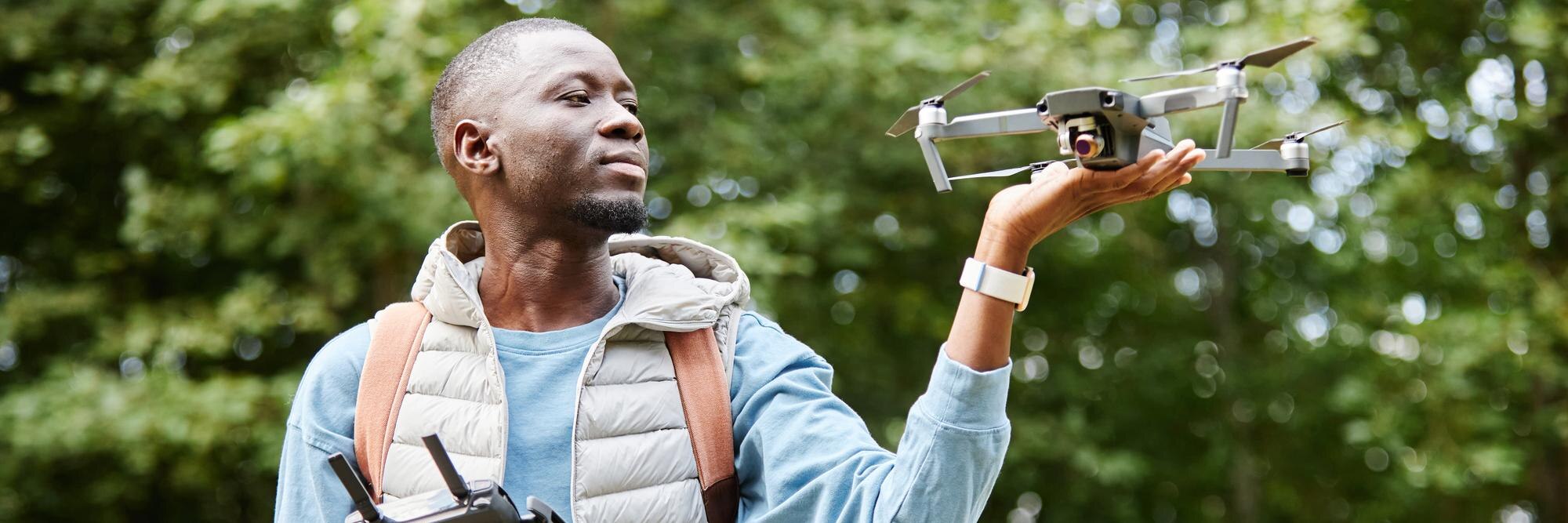
Knowing the rules and having insurance is half the battle. Now, let’s focus on safety tips to ensure smooth flights every time.
Preparing for Safe Flights
Before every flight, check your drone’s battery and weather conditions. A sunny day could quickly turn windy, complicating your flight. Always keep your drone within sight and fly below 400 feet. This prevents interference with other aircraft. For instance, a sudden gust could blow your drone out of sight, leading to potential hazards. Staying vigilant reduces risks and ensures a safe flight.
Engaging with Local Drone Communities
Drone flying is more fun with friends! Join local clubs to learn and share tips. Engaging with other enthusiasts can boost your skills and keep you informed about new regulations. These communities often host events and workshops, offering hands-on experience. You’ll gain insights while making new friends who share your passion for drones. Plus, community members can offer advice on handling tricky situations or recommend the best flying spots.
Utilizing Helpful Drone Resources
There are numerous resources to enhance your drone knowledge. The B4UFLY app is a must-have for checking flight restrictions. Additionally, the Academy of Model Aeronautics offers educational materials through its Flight School. These resources provide valuable information to both new and seasoned pilots. Staying informed and continuously learning will keep your drone adventures exciting and safe. With the right tools and knowledge, you’re ready to explore the skies confidently.