
Frozen Pipes, Ice Dams, and Sump Pumps: 4 Winter Water Damage Situations Home Insurance May Not Cover
Key takeaways
- Standard homeowners policies generally cover sudden, accidental water damage, such as a pipe that freezes and bursts, as long as you took reasonable care to keep the home heated.
- Frozen pipes in a vacant or unheated home, ice dam leaks you ignored, and slow seepage are common reasons winter water claims get denied.
- Sump pump failures and sewer or drain backups are usually excluded unless you add a water backup endorsement.
- Snowmelt or heavy rain that floods your home from outside is flood, which requires a separate flood policy, usually with a 30-day wait.
- DC, Maryland, and Virginia homeowners with finished basements should review these gaps before the first deep freeze.
Winter is when water does some of its worst damage to homes in the DC area. A cold snap freezes a pipe in an exterior wall. Snow on the roof melts, refreezes at the gutter, and backs water under the shingles. A thaw sends meltwater toward the foundation just as the sump pump quits. According to the Insurance Information Institute, water damage and freezing accounted for 22.6% of homeowners insurance losses in 2023, making it one of the most common reasons homeowners file a claim.
Most homeowners assume their policy covers all of it. Many of these losses are covered, but several common winter situations are not, at least not without added protection. Here are four water damage situations a standard home policy often leaves out, with a cold-weather lens on each, and what Maryland, Virginia, and DC homeowners can do about them before the first freeze.
1. Frozen pipes in a home that was not kept heated
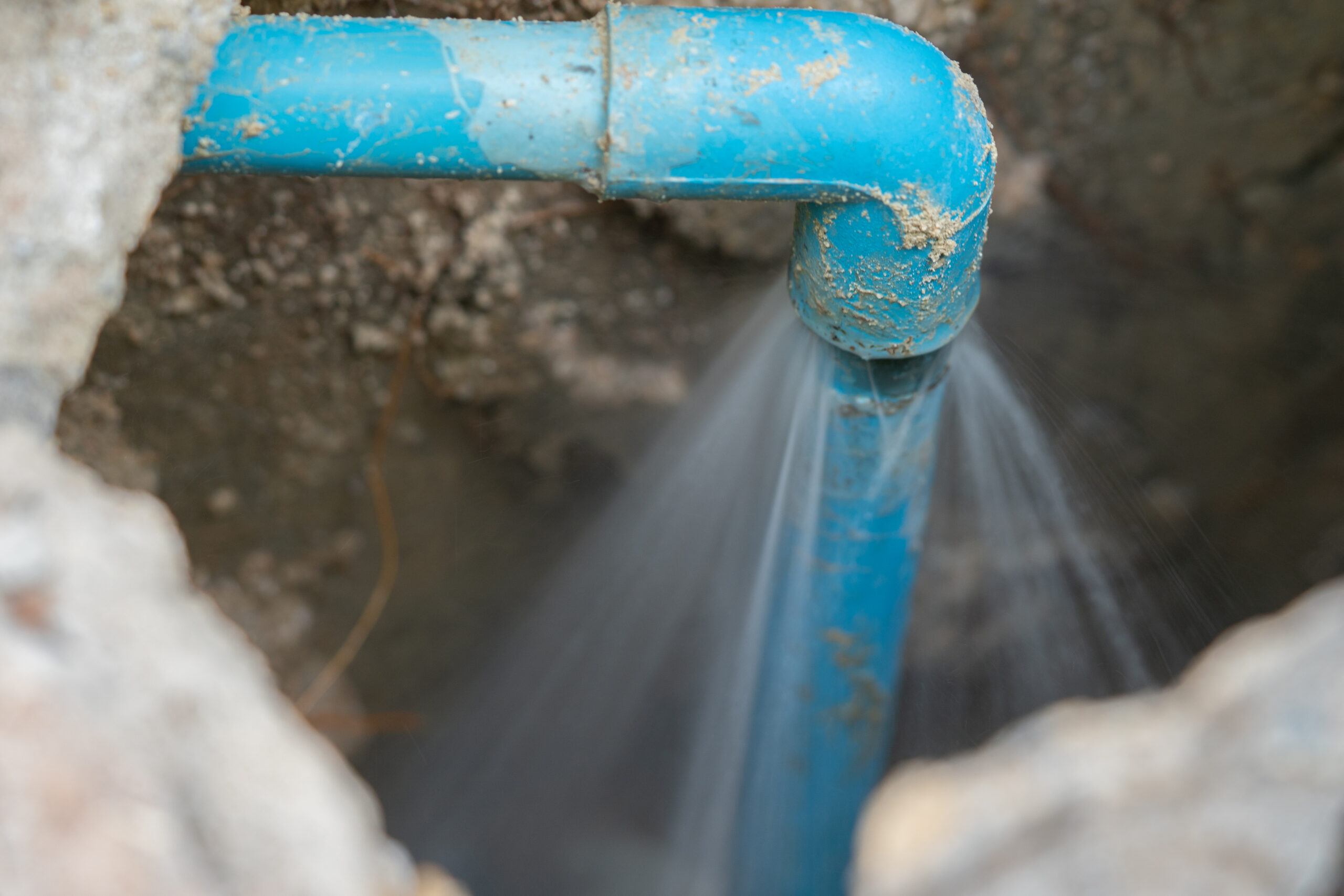
A pipe that freezes and bursts is usually a covered loss under a standard homeowners policy. The damage is sudden and accidental, which is what these policies are built for. The catch is a condition in most policies: freezing damage is generally covered only if you used reasonable care to maintain heat in the home, or shut off the water and drained the system.
That condition matters most for homes that sit empty: a second home, a rental between tenants, a house on the market, or a parent’s home while they spend the winter elsewhere. Many policies also restrict coverage for some losses once a home has been vacant for an extended period, commonly 60 consecutive days. If you will be away for part of the winter, keep the heat at a steady temperature, ask someone to check the house, and consider draining the lines.
The fixes are simple and cheap. Our guide on how to prevent frozen pipes walks through insulating exposed pipes, letting faucets drip during hard freezes, and keeping cabinet doors open on exterior walls. A whole-house water shut-off device can also stop a burst pipe from becoming a flooded floor.
2. Ice dams and slow leaks that were left alone
Ice dams form when heat escaping through the attic melts snow on the roof, and the water refreezes at the colder eaves. Water pools behind the ice and can work its way under the shingles and into ceilings and walls. Sudden interior damage from an ice dam leak is often covered under a standard policy. Removing the ice dam itself, and repairs caused by poor attic insulation or an aging roof, usually are not.
The bigger issue is time. Home policies are written for sudden events, not gradual ones. A ceiling stain that spreads over several weeks, a slow drip under a sink, or water seeping through foundation walls is often treated as wear, tear, or a maintenance issue, and mold that grows from long-term moisture is frequently excluded or capped. If you see signs of an ice dam or a leak, deal with it right away and document what you find.
3. Sump pump failures and sewer or drain backups
For homes with basements, especially finished basements common in Montgomery County, Fairfax, and Northern Virginia, this is the gap that surprises people most. If your sump pump fails during a winter thaw, or the sewer line backs up into a floor drain, a standard homeowners policy typically does not cover the damage.
The fix is a water backup endorsement (sometimes called sewer and drain backup coverage). It can usually be added to a home policy for a modest additional premium and covers damage from water that backs up through drains or overflows from a sump pump. Coverage limits vary, so match the limit to what is actually in your basement: flooring, drywall, furniture, and equipment add up quickly. A battery backup for the sump pump is a smart companion, since winter storms and power outages often arrive together.
4. Flooding from snowmelt and heavy rain
Water that comes from outside and rises into your home, from heavy rain, overflowing streams, or a quick snowmelt, is considered flood. Standard homeowners policies exclude flood damage entirely, whether or not you live in a high-risk flood zone.
Flood coverage requires a separate policy, either through the National Flood Insurance Program or a private flood insurer. NFIP policies generally have a 30-day waiting period before coverage starts, so buying one when a storm is in the forecast is usually too late. If you have never priced flood coverage, our guide to flood damage and waiting periods in the DMV explains how it works.
A quick pre-winter checklist
- Insulate exposed pipes in crawl spaces, garages, and exterior walls, and know where your main water shut-off is.
- Disconnect garden hoses and shut off outdoor spigots.
- Clean gutters and downspouts so meltwater can drain, and check attic insulation and ventilation.
- Test the sump pump and consider a battery backup.
- Pull your declarations page and look for a water backup endorsement and its limit.
- If a property will be empty this winter, ask your agent how your policy treats vacancy.
Capitol Benefits works with homeowners across Maryland, Virginia, and DC. If you are not sure how your policy handles any of these situations, we are happy to review it with you before the cold sets in.
Frequently Asked Questions
Does homeowners insurance cover frozen pipes?
Usually, if the pipe freezes and bursts suddenly and you took reasonable care to keep the home heated or drained the water system. Claims are often denied when a home was left unheated or vacant for an extended period.
Are ice dams covered by homeowners insurance?
Sudden interior water damage from an ice dam leak is often covered. Removing the ice dam and repairing problems caused by poor insulation, gutter neglect, or an aging roof generally are not.
Does homeowners insurance cover a sump pump failure?
Not under a standard policy. Damage from a sump pump overflow or a sewer or drain backup usually requires a water backup endorsement added to your home policy.
Is flooding from melting snow covered by homeowners insurance?
No. Surface water that enters your home from outside, including snowmelt, is treated as flood and requires a separate flood insurance policy, which usually has a 30-day waiting period.
What kinds of water damage are usually not covered?
Common exclusions include flood, gradual leaks and seepage, damage tied to lack of maintenance, and sewer or drain backups unless you add specific coverage. Details vary by policy.
Related reading from Capitol Benefits
Ready when you are
Let's take a look at what you've got.
A real review of your current coverage. No deck, no pressure, and usually some money saved along the way.