
Does homeowners insurance cover flood damage in the DMV, and how long is the wait for flood coverage? A July guide before peak hurricane season
Key takeaways
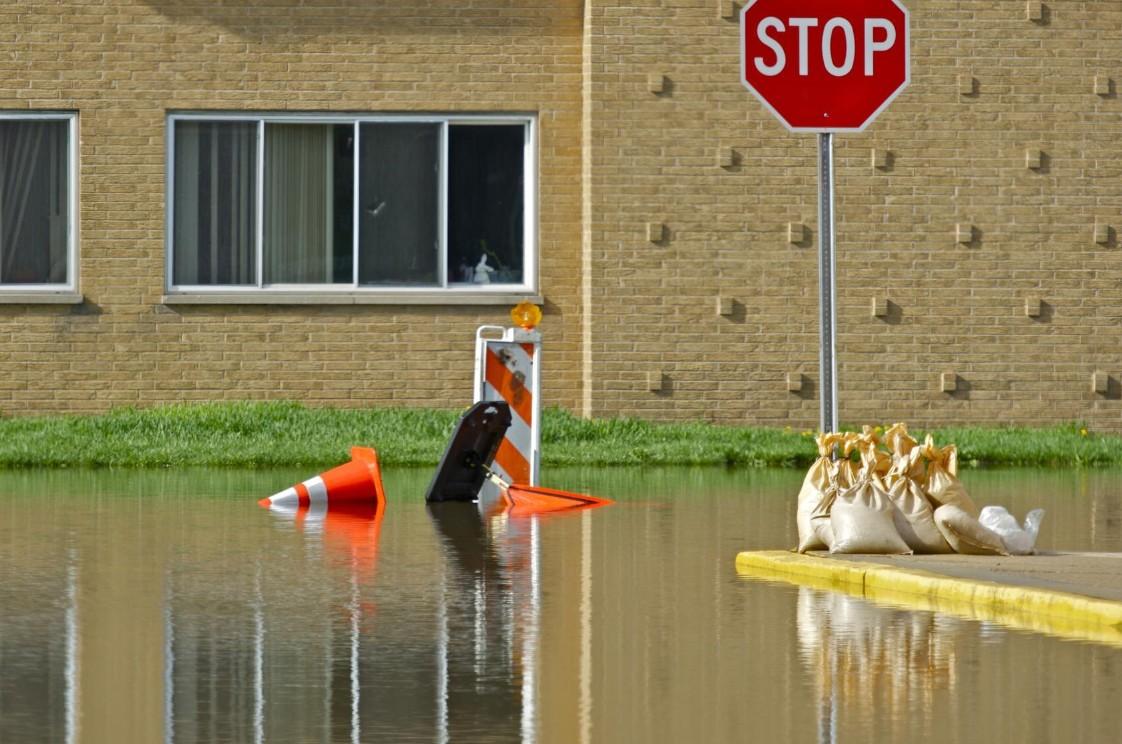
- Standard homeowners insurance in the DMV does not cover flood damage; you need a separate NFIP or private flood policy.
- NFIP policies typically carry a 30-day waiting period, so buying now matters before peak hurricane season.
- NFIP covers up to $250,000 for the building and $100,000 for contents; private flood policies can offer higher limits.
- Even outside a mapped flood zone, DMV homes can flood; a Capitol Benefits advisor can review your risk and options.
Most homeowners insurance policies in the DMV do not cover flood damage, leaving many homeowners exposed as hurricane season approaches. Both NFIP and private flood insurance require a 30-day waiting period before coverage begins, making July the critical month to act. This guide explains the flood insurance options available in Maryland, Virginia, and DC, the waiting period details, and what steps you should take now to protect your home before the August and September storms.
Understanding Flood Insurance Coverage
Homeowners Insurance and Flood Exclusions
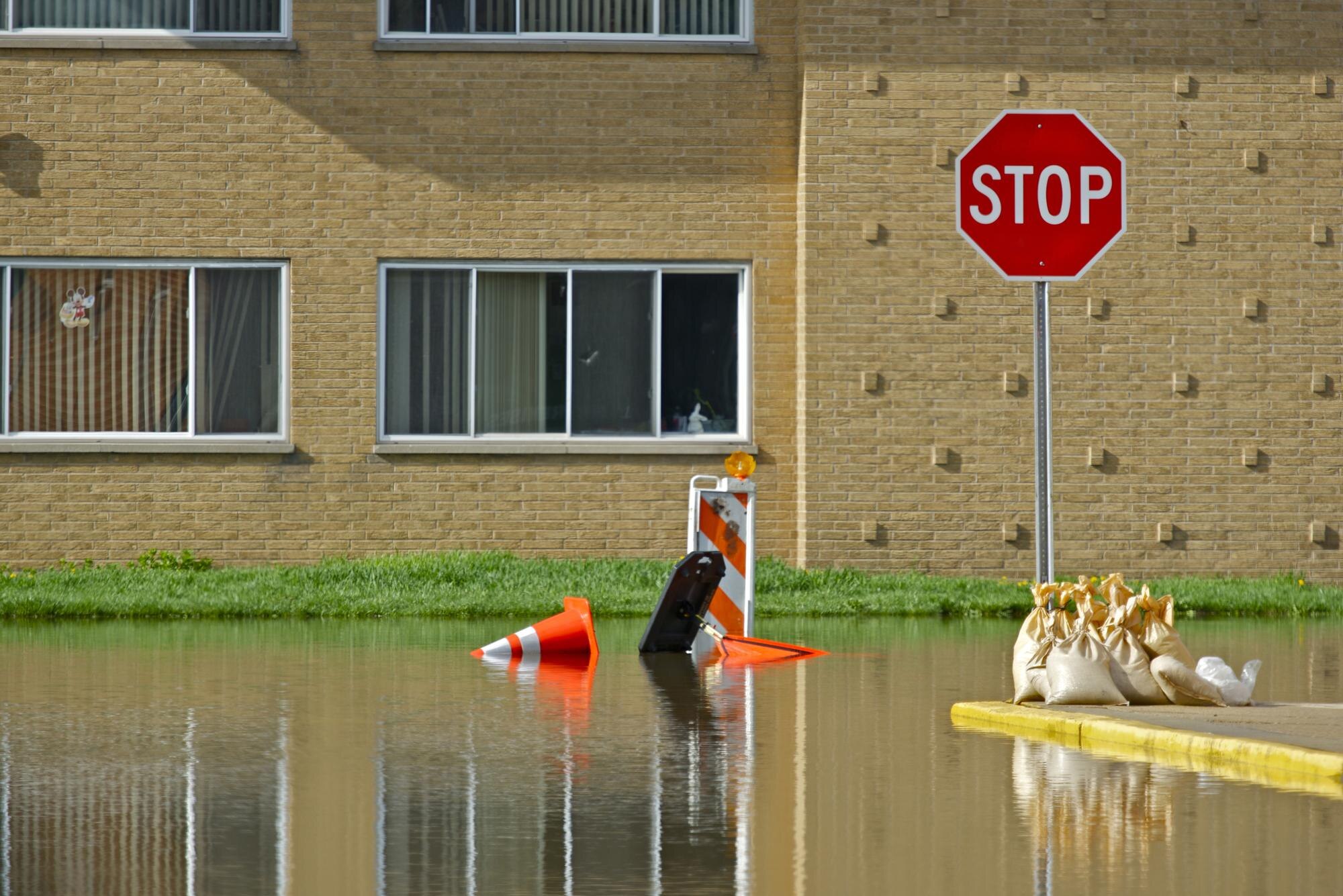
Flooding is a common risk in areas like Maryland, Virginia, and DC, yet many homeowners are unaware that their standard policies usually exclude flood damage. This means if your home suffers from flooding, such as during a hurricane, you’ll likely bear the costs of repairs. It’s crucial to understand these exclusions, so you’re not caught off guard.
Flood damage can be extensive, from foundational issues to damaged belongings. Homeowners in flood-prone areas should consider additional coverage specifically for floods. Knowing what your current policy covers can prevent unpleasant surprises. Without proper insurance, you might face significant financial strain after a flood event.
NFIP and Private Flood Options
Considering flood insurance? You have two main options: the National Flood Insurance Program (NFIP) and private insurance. Each has its own benefits and limitations. The NFIP is a government-backed program offering coverage up to specific limits, while private insurers might offer higher limits and faster claims processes.
Before deciding, evaluate your home’s flood risk and compare these options. While NFIP is widely available, private insurers might offer more tailored options. Look into both to decide which aligns best with your needs. This decision is pivotal, especially with flooding becoming more frequent.
Navigating the 30-Day Waiting Period
Both NFIP and private policies typically have a 30-day waiting period before they take effect. This means if you purchase a policy today, it won’t cover any floods occurring within the next month. It’s a critical factor to consider, especially with hurricane season around the corner.
To ensure you’re protected, plan ahead. Don’t wait until a storm is imminent to secure flood insurance. The waiting period is designed to prevent last-minute purchases when a flood is predicted. Acting now can save you from potential financial disaster later.
Preparing Before Hurricane Season
July’s Critical Timeline for Action
July is the time to act if you want flood coverage in place before peak hurricane season. With the 30-day waiting period in mind, purchasing your policy now ensures you’re covered by August. Waiting too long could leave you unprotected during a critical time.
Taking steps in July means you’re planning ahead. Don’t wait for the forecast to turn grim before taking action. This proactive approach gives you peace of mind and ensures that you’re not scrambling when storms approach.
Evaluating Your Flood Risk in the DMV
Understanding your flood risk is essential. Areas like Gaithersburg, DC, and Northern Virginia have varied risk levels. Use tools like FEMA’s Flood Map Service to assess your home’s vulnerability. Knowing your risk can guide your insurance decisions.
Flooding isn’t limited to coastal areas. Many homes in the DMV have basements, which can flood easily. Consider factors like proximity to rivers or historical flooding data. This insight helps in choosing the right coverage and preparing your property.
Steps for Securing Coverage
Ready to secure flood insurance? Here’s how:
-
Assess Your Risk: Use online tools or consult an expert to understand your flood risk.
-
Compare Options: Look at NFIP and private policies. Consider coverage limits, premiums, and waiting periods.
-
Purchase Early: Do it in July to ensure coverage before the storm season peaks.
Taking these steps ensures you’re informed and prepared. Don’t wait until it’s too late—acting now is key to protecting your home and assets.
Frequently Asked Questions

Does Homeowners Insurance Cover Floods?
No, standard homeowners insurance usually doesn’t cover flood damage. Flood coverage must be purchased separately, either through NFIP or private insurers.
How Long is the Flood Insurance Wait?
Both NFIP and private flood insurance typically have a 30-day waiting period before coverage begins. It’s important to buy your policy ahead of time.
What Are My Options for Flood Coverage?
You can choose between NFIP and private flood insurance. NFIP offers government-backed coverage, while private insurers may provide higher limits and more flexible terms.
What does NFIP flood insurance cover?
NFIP covers building damage up to $250,000 and personal property up to $100,000. It does not cover temporary living costs or business losses. If you need higher limits, ask about private flood options.
Is flood insurance required in Maryland, DC, or Virginia?
If your mortgage lender requires it and your home is in a designated flood zone, yes. Even without a requirement, most homeowners in the DMV should seriously consider it given the region’s storm and flooding history.
In conclusion, understanding your flood insurance options and acting promptly can protect your home from financial consequences during hurricane season.
Reach out to Capitol Benefits today.
Related reading from Capitol Benefits
Ready when you are
Let's take a look at what you've got.
A real review of your current coverage. No deck, no pressure, and usually some money saved along the way.