
Roof costs are still climbing. Is your coverage keeping up?
Key takeaways
- Rising construction costs mean your roof may cost more to replace than your policy assumes.
- Replacement cost coverage pays to replace the roof with like materials; actual cash value deducts for depreciation.
- As building costs climb, reviewing your dwelling coverage helps avoid being underinsured.
- An annual policy review keeps DMV homeowners’ coverage aligned with real rebuild costs.
Hurricane season is here again. Most people think about wind and rain. Fewer realize what comes next.
Rebuilding.
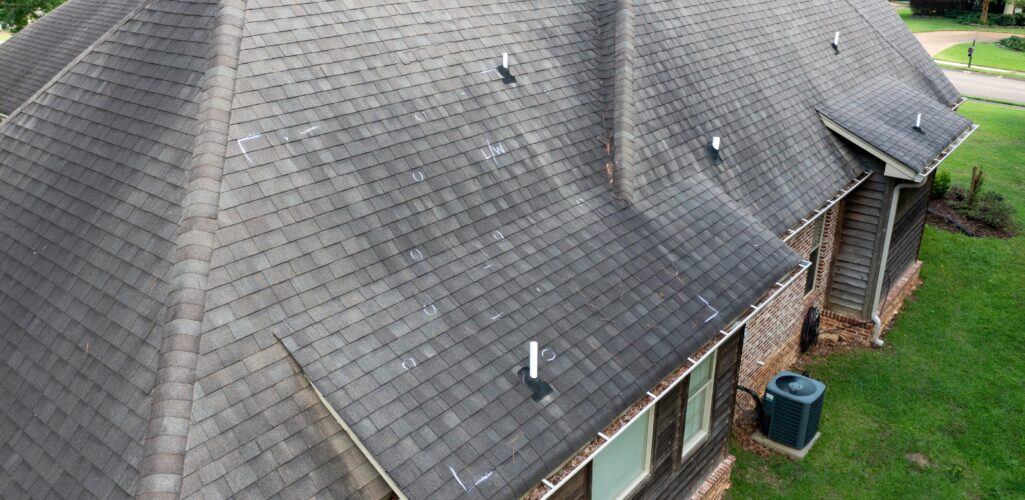
Over the last few years, the cost to replace a roof has quietly changed the math on homeowner’s insurance. What used to be a straightforward claim is now one of the most common places policies fall short. We are seeing replacement costs well above what homes were insured for even a few years ago.
That gap matters more than people expect.
Most homeowner’s policies are built around a simple idea. They will pay to repair or rebuild your home up to a set dwelling limit. If that limit was set when your home was purchased or last reviewed, there is a good chance it no longer reflects what it would actually cost to rebuild today.
Nobody notices this during a calm year. It only shows up when a storm hits and the numbers are no longer theoretical.
This is also why roof age has become a bigger underwriting factor. Carriers are looking more closely at older roofs, not just because they are more likely to be damaged, but because the cost to replace them has risen so sharply. In some cases, we are seeing stricter requirements, reduced coverage terms, or higher deductibles tied specifically to roofs.
None of this is designed to catch homeowners off guard. But it often does.
The pattern we see is consistent. Good policies that made sense five or even three years ago fall out of sync with today’s costs. Not because anyone did anything wrong. Simply because the market moved and nobody revisited the assumptions.
This is where having an advisor matters.
A coverage review is not about shopping for a better rate. It is about asking a more important question. If something happens this season, would your policy respond the way you expect it to?
In many cases, the answer is yes. In some, it is not. The only way to know is to look.
If it has been more than a year since your last review, it is worth taking a fresh look at your dwelling coverage, your roof condition, and how your policy would respond in a full rebuild scenario.
We are happy to walk through that with you. No pressure. Just clarity before you need it.
Frequently Asked Questions
Does homeowners insurance cover roof replacement?
It depends on the cause and your policy. Most standard policies cover roof damage from sudden events like storms, high winds, or a falling tree. Damage from age, wear, or deferred maintenance is usually not covered. Your payout can also depend on whether the policy pays replacement cost or actual cash value.
What is the difference between replacement cost and actual cash value on a roof?
Replacement cost pays to replace your roof with similar materials at today’s prices. Actual cash value subtracts depreciation for the roof’s age and condition, so the payout on an older roof can be much lower. It is worth knowing which one your policy uses before you ever file a claim.
Why should I review my dwelling coverage as building costs rise?
Dwelling coverage should reflect what it would cost to rebuild your home today, not what you paid for it. When labor and material prices climb, a limit set years ago can leave you underinsured. A periodic review helps make sure a full rebuild would actually be covered.
How often should I review my homeowners policy?
A good rule of thumb is once a year, or after any major change such as a renovation, a new roof, or a jump in local rebuild costs. We are happy to walk through your coverage with you so there are no surprises later.
Related reading from Capitol Benefits
Ready when you are
Let's take a look at what you've got.
A real review of your current coverage. No deck, no pressure, and usually some money saved along the way.