
Closing Up the Second Home: What to Do Before the House Goes Quiet
Key takeaways
- A second home left unoccupied for an extended stretch can fall outside normal policy terms, often after thirty or sixty days.
- Frozen pipes are the classic winter loss at a vacation home, and many policies require heat to be maintained or the water shut off.
- Boats and watercraft usually need coverage year round, since storage and haul out are when a surprising number of losses happen.
- Monitored temperature and water sensors are inexpensive, and several carriers offer credits for them.
- Tell your advisor before the house goes quiet rather than after, so the policy matches how the home is actually used.
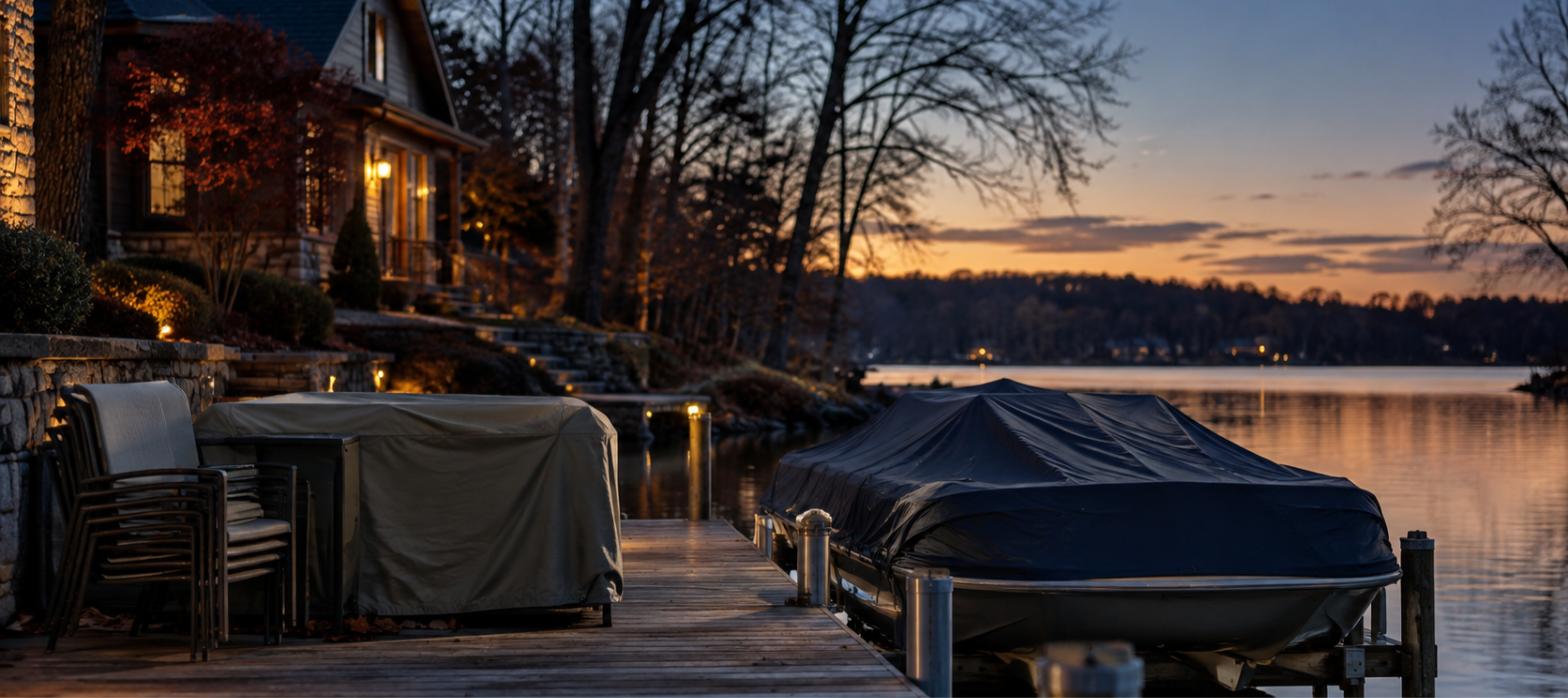
There is a particular weekend every autumn when the boat comes out, the furniture gets stacked, the water gets shut off, and everyone drives home. It feels like an ending, and in a sense it is. The house goes quiet until spring.
What most people do not think about on that drive home is that the insurance on that house was written for a home somebody lives in, and the house has just stopped being one.
What changes when a house sits empty
Homeowners policies carry vacancy and unoccupancy provisions. Past a certain stretch, commonly thirty or sixty days depending on the policy, some causes of loss get limited and some get excluded entirely. Vandalism and certain water losses are frequently the first to narrow.
This is not a trap. It reflects a real difference: nobody is there to notice the drip, hear the alarm, or see the branch come down. The risk genuinely is different, and the policy is priced and written for the version where somebody is home.
The fix is straightforward. Carriers that write second homes have forms built for seasonal use, and the right endorsement sorts it out in a short conversation. What causes trouble is when nobody mentions it and the policy quietly does not match the house.
The loss that actually happens
If you asked me to name the claim I see most from a closed up house, it is water, and specifically a pipe that froze while nobody was there.
The damage from a burst pipe is not a puddle. Water runs for days or weeks before anyone opens the door, and by then it has moved through ceilings, floors, insulation and cabinetry. It is one of the most expensive property claims there is, and it is almost entirely preventable.
Most policies require you to either maintain heat in the building or shut off the water supply and drain the system. Doing neither can put a claim in jeopardy. If you maintain heat, that means heat that will actually keep running, which is where a monitored low temperature sensor earns its keep. If it drops below your threshold, somebody gets a text while there is still time to do something about it.
Water leak sensors on the main and near fixtures are the companion piece, and automatic shutoff valves are better still. These devices cost very little relative to what they prevent, and several carriers, Chubb and Cincinnati among them, offer credits or programs around them.
The boat, and the rest of the toys
People often ask whether they can drop the boat policy for the winter. Generally, no.
Haul out, transport and storage are exactly when boats get damaged, and a boat sitting on a trailer in a yard can be stolen, crushed by a limb, or damaged by the cover itself. Most watercraft policies contemplate a lay up period and price accordingly, so the savings from cancelling are smaller than people expect and the exposure is real.
The same logic applies to anything else that goes into storage: the personal watercraft, the golf cart, the classic car. Coverage should follow the item, not the season.
A short list before you lock the door
Set the heat and confirm you can monitor it remotely. Shut off the water if you are not keeping heat on, and drain the lines. Have someone check the house periodically and make sure your advisor knows that arrangement exists. Clear gutters and trim anything that would fall on the roof under snow load. Photograph the contents while you are there, because an off season inventory takes twenty minutes and makes a future claim far easier.
Then make the phone call. Tell your advisor the house is closing for the season, how long it will sit, and who is checking on it. That call is the whole point, and it takes five minutes.
Frequently Asked Questions
How long can a second home sit empty before coverage changes?
It varies by policy, but many restrict or exclude certain losses once a home is unoccupied beyond thirty or sixty days. Check your specific form and ask about a seasonal or vacancy endorsement.
Do I have to keep the heat on at a vacation home?
Most policies require either that heat is maintained or that the water is shut off and the system drained. Doing neither can put a frozen pipe claim at risk, so confirm which your policy requires.
Should I cancel the boat policy over the winter?
Usually not. Haul out, transport and storage are when many watercraft losses occur. Most policies already account for a lay up period, so the savings are small relative to the exposure.
Do water and temperature sensors actually help?
Yes, both in preventing loss and sometimes in premium. Monitored low temperature and leak sensors alert you while there is still time to act, and several carriers offer credits for installing them.
Does someone need to check on the house while it is closed?
It is a good practice and some policies expect it. Arrange periodic checks and let your advisor know, since that arrangement can matter to how the policy is written.
Related reading from Capitol Benefits
Ready when you are
Let's take a look at what you've got.
A real review of your current coverage. No deck, no pressure, and usually some money saved along the way.