
Vacant, Rented, or Inherited: When a Homeowners Policy Is the Wrong Policy
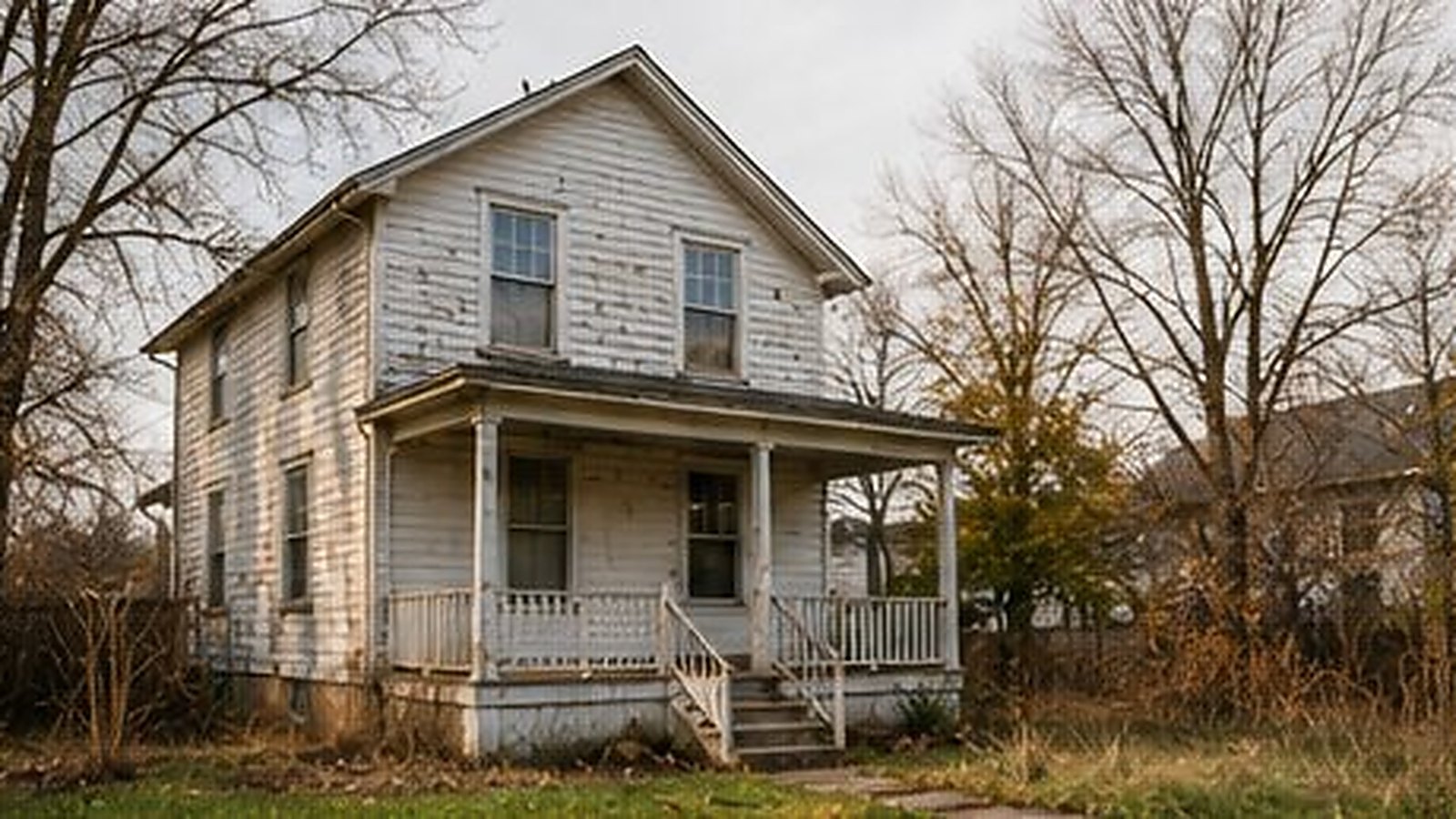
Key takeaways
- A standard homeowners policy is written for a home you live in. Once a house is empty, rented out, or under renovation, that policy may not respond the way you expect.
- Most homeowners forms restrict coverage once a home has been vacant beyond a set number of days, commonly cutting off vandalism, water damage, and glass.
- Rental properties need a dwelling policy with loss of rents, not a homeowners policy with a tenant living in it.
- Inherited homes sitting through probate are one of the most commonly under-insured properties we see.
Homeowners insurance makes an assumption that is easy to miss: that someone lives in the house. Once that stops being true, whether because the property is empty, rented, mid-renovation, or waiting on an estate to settle, the standard policy starts behaving differently, and usually not in the owner’s favor.
The vacancy problem
Most homeowners forms include a vacancy provision. After a set period with nobody living there, commonly measured in a fixed number of days, coverage narrows sharply. Vandalism, water damage from freezing pipes, and glass breakage are typically the first things to go, and those happen to be the losses empty houses actually suffer. The policy is still in force. It simply will not pay for the things most likely to occur.
If a property you own has been sitting empty, tell us now rather than after the vacancy clause has already narrowed your coverage.
The properties that need something different
Vacant homes. Between owners, waiting on a sale, or held while a decision gets made. These need a vacant dwelling policy written for the purpose.
Rental and investment property. A dwelling policy covers the structure, your liability as owner, and loss of rents while the property is uninhabitable. Your tenant’s belongings are theirs to insure.
Homes under renovation. Substantial work brings materials on site, contractors coming and going, and periods where the structure is open. Depending on scope, this is a renovation endorsement or a builders risk policy.
Seasonal and secondary homes. A place used a few months a year carries different risks, and long unoccupied stretches raise the same issues as vacancy.
Inherited property and estates. A house in probate often sits empty for months with the original policy quietly lapsing into a vacancy problem, and with an unclear answer about who is even insured.
Where owners in the DC metro get caught
Nobody told the carrier. The most common failure by a distance. The policy was accurate when it was written and nobody updated it when the situation changed.
Loss of rents is missing. If a fire makes a rental uninhabitable, the mortgage does not pause. Loss of rents is what covers the gap, and it is frequently left off.
The renovation was bigger than described. Cosmetic work and a structural project are different risks, and policies distinguish between them.
Liability on a property nobody visits. An empty house still has steps, ice, and people who wander onto it.
The estate has no named insured who still exists. After an owner dies, the policy may not clearly cover the heirs or the estate. It is worth sorting out early rather than at claim time.
When the house is empty because it is for sale
This is the most common version of the problem, and the one owners are least likely to flag. You move out, the house goes on the market, and the assumption is that the homeowners policy carries on as normal because you still own the place and still pay the premium. It does carry on. What changes quietly in the background is what it will pay for once the vacancy clock starts running, and a house that shows well is usually a house nobody is living in.
Selling adds its own exposures on top of that. Open houses and showings bring strangers through a property with nobody supervising most of the rooms. Stagers bring in furniture that belongs to somebody else. Contractors come through for pre-listing repairs. If the utilities have been turned down to save money, a cold snap in January becomes a burst pipe in an empty house, which is precisely the loss the vacancy provision is most likely to exclude.
Agents feel this too. A listing agent holding an open house in a vacant property has a real premises exposure and is often the person who discovers the damage. If you are an agent with a seller in this position, the useful thing you can do is ask them one question early: have you told your insurance carrier the house is empty? Most have not.
The fix is usually simple and not expensive. A vacant dwelling policy, or a vacancy endorsement added to what you already have, restores coverage for the losses an empty house actually suffers. It is worth putting in place when the house goes on the market rather than when the sale falls through and it sits another four months.
When you are living abroad and someone else manages it
Owners who take an overseas posting and keep the house often land in a gap without realizing it. The property is rented, so the right form is a dwelling policy rather than a homeowners policy. But the practical questions are the ones that cause trouble: who is the carrier going to reach, who is physically responsible for the property, and where does your liability sit now that you are eight time zones away.
A few things worth sorting before you go. Carriers generally want a reliable point of contact in the United States, and some want a US mailing address on the policy. If you hire a property manager, that relationship should be reflected on the policy rather than assumed, and the management agreement is worth reading alongside it so you know who is responsible for what. Your liability as the owner does not transfer to the manager simply because they collect the rent and handle repairs.
Also think about the gap between tenants. A rental sitting empty between leases while you are out of the country is a vacant property, and it is subject to the same narrowing described above. A manager who does not have authority to act quickly, or who has not been told to report a vacancy to you, can leave a house sitting exposed for weeks.
Government and military postings are common in this region, and the timelines are rarely tidy. If a posting is coming, the conversation is easier before you leave than from abroad.
A local note
This comes up constantly around here. Inherited rowhouses in the District held while siblings decide what to do. Renovation projects in Silver Spring and Takoma Park that run months longer than planned. Condos in Arlington bought as investments and rented within a year of purchase. Federal relocations that leave a house empty for a posting. In every one of those, the policy written for an owner-occupied home is the wrong instrument.
If the situation has changed, tell us
Most of these problems are cheap to fix in advance and expensive to discover afterwards. If a property you own is empty, rented, being renovated, or tied up in an estate, that is worth a short conversation. You can tell us about the property and an advisor will follow up.
Frequently Asked Questions
How long can my house be empty before my insurance is affected?
Most homeowners policies contain a vacancy provision that narrows coverage after a set number of consecutive days, often measured in weeks rather than months. The exact figure and what it removes vary by policy, so check yours before the house sits.
What does a vacant home policy cover that my homeowners policy will not?
Chiefly the losses a vacancy clause removes, such as vandalism, water damage, and glass breakage, along with liability for a property nobody is living in. It is written on the assumption that the house is empty rather than treating that as an exception.
Do I need a different policy if I rent my house out?
Yes. A dwelling or landlord policy covers the structure, your liability as owner, and loss of rents while the property cannot be lived in. A homeowners policy is not designed for a property occupied by a tenant.
What is loss of rents coverage?
It replaces the rental income you lose while a covered loss makes the property uninhabitable. Without it, the repairs are covered but the missing rent is your problem while the mortgage continues.
I inherited a house that is sitting empty. What should I do about insurance?
Contact the carrier before anything else. The existing policy may not cover the estate or the heirs, and the vacancy clock is usually already running. This is one of the most common gaps we see, and it is straightforward to fix early.
Does renovation work affect my coverage?
It can. Substantial work brings materials, contractors, and periods where the structure is open, and policies distinguish between cosmetic updates and structural projects. Depending on the scope, you may need a renovation endorsement or a builders risk policy.
Related reading from Capitol Benefits
- A DC metro owner’s guide to protecting a secondary residence
- Homeowners insurance from Capitol Benefits
- Renters insurance and why tenant liability matters
- Condo insurance and what an HO-6 actually covers
- Ask about coverage for a vacant, rented, or inherited property
- 5 Rules Every Landlord Should Live By
Ready when you are
Let's take a look at what you've got.
A real review of your current coverage. No deck, no pressure, and usually some money saved along the way.