
Understanding Prompt Injection and Jailbreak Attacks: Protect Your Business from AI Vulnerabilities
AI vulnerabilities aren’t just tech problems—they’re business risks that can cost you data, trust, and money. Hackers are using prompt injection and jailbreak attacks to trick AI systems into spilling secrets or doing harm. Knowing how these attacks work can help you protect your company and keep your data safe. Let’s break down what you need to watch for and how to guard against these hidden threats.
Understanding Prompt Injection
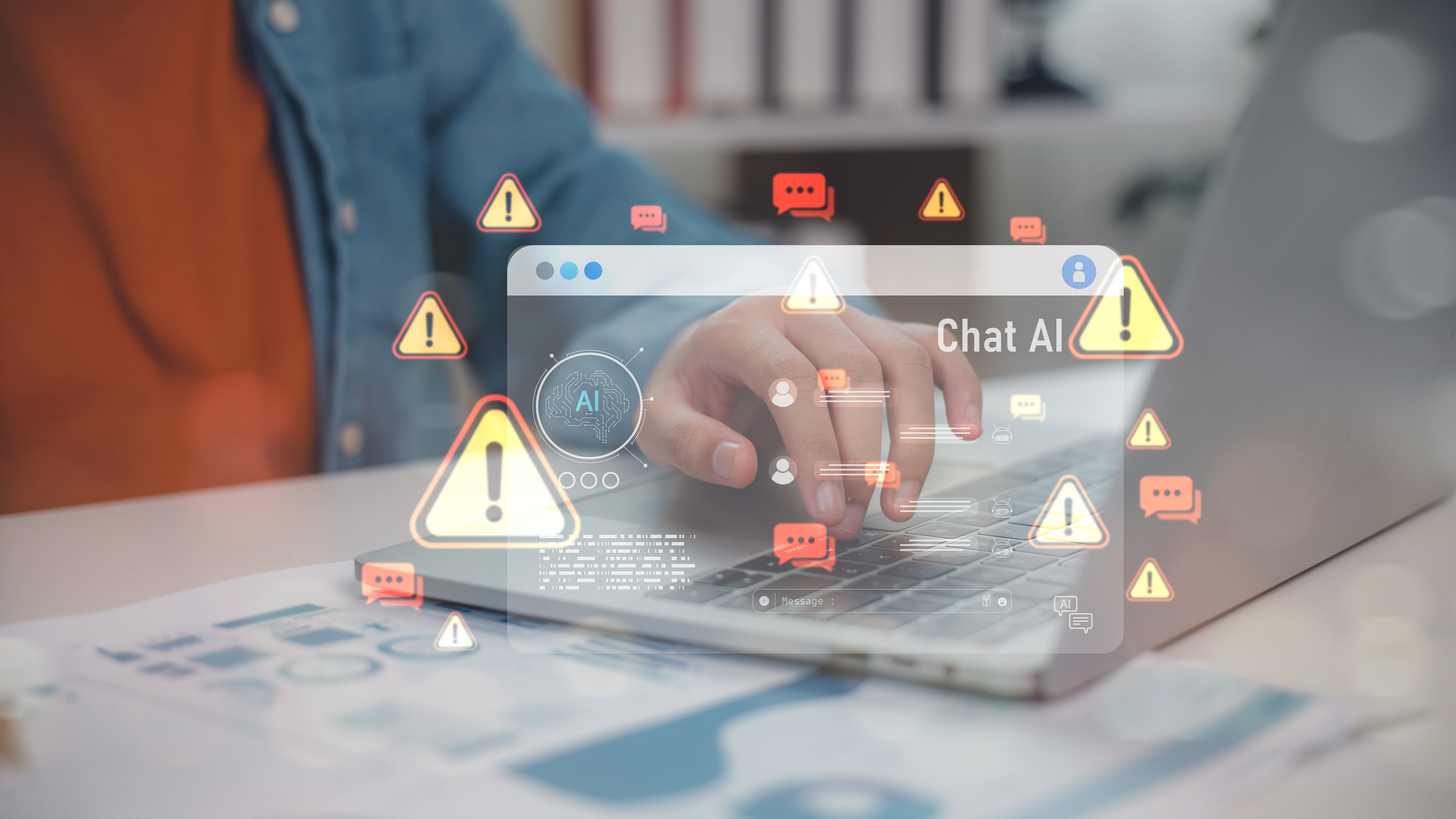
Prompt injection attacks are crafty tricks hackers use to mess with AI systems. These attacks bypass rules and make AI do unintended things.
The Mechanics of Attacks
Imagine your AI is like a helpful assistant that takes orders. Hackers sneak in and give it orders it shouldn’t follow. They trick the AI into spilling secrets or doing tasks it wasn’t meant to do. For instance, a hacker might instruct the AI to find and reveal sensitive company information. This manipulation is dangerous because it turns your AI against you, exploiting its helpful nature. More often than not, this happens because the AI trusts the input it receives without question.
Common Attack Methods
These sneaky attacks come in different forms. Indirect prompt injections hide malicious commands in the data AI reads, such as web pages or documents. Hackers might embed prompts in PDFs or images, tricking the AI into executing them without anyone noticing. Direct prompt injections involve hackers placing harmful prompts directly into AI inputs, diverting it from its intended function. A simple example: telling a translation AI to replace all translations with gibberish. Lastly, stored prompt injections involve planting harmful commands in stored data, which the AI later reads and acts upon. Understanding these methods is key to protecting your AI systems.
Impact of Jailbreak Attacks
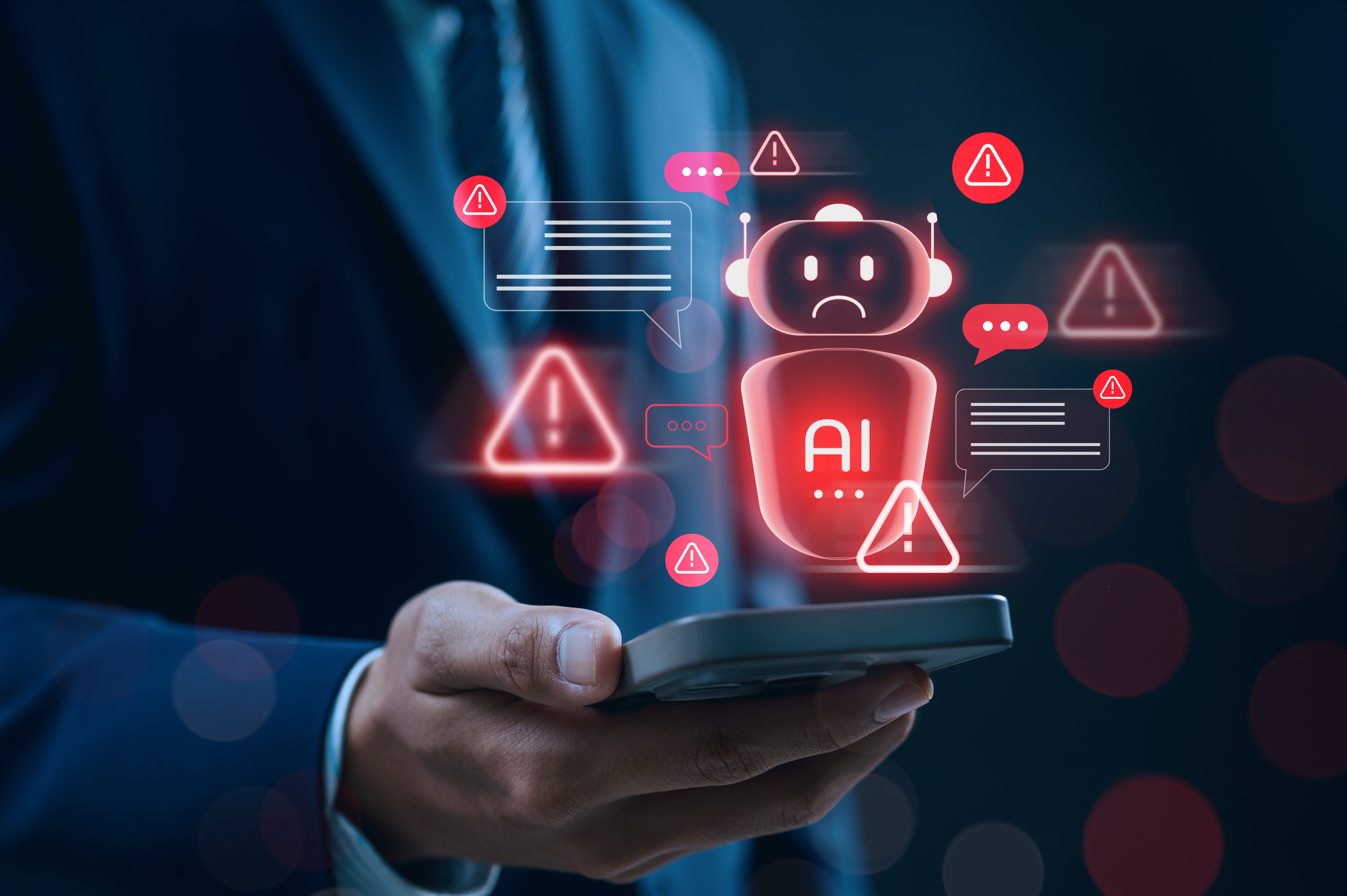
Jailbreak attacks can have a devastating impact on your AI security. They open the door to several security risks that businesses cannot afford to ignore.
Risks to AI Security
When hackers successfully jailbreak an AI, they can manipulate it to perform harmful actions. Imagine a chatbot revealing customer credit card details—it’s a nightmare! Hackers can also poison the AI’s data, making it unreliable and potentially dangerous. This corruption can affect high-stakes decisions, like medical diagnoses or financial advice. Simply put, when your AI’s security is compromised, it becomes a liability rather than an asset. Discover how AI systems are at risk.
Consequences for Businesses
Repercussions from prompt injection or jailbreak attacks extend beyond financial losses. Businesses may face reputational damage. Data breaches can destroy customer trust, leading to customer loss and damaged brand reputation.
Regulatory penalties for poor data protection can bring fines, affecting profits. In finance or healthcare, regulatory non-compliance leads to legal issues and penalties, adding to business impact.
Operational disruptions are another consequence. A compromised AI system can stop operations, causing productivity loss. Companies relying on AI for customer interactions risk lost sales and unhappy customers.
Rebuilding and securing AI systems after an attack requires significant resources and investment. This involves updating security, staff training, and investing in new technology to prevent future attacks.
Understanding these risks is crucial to keep operations secure, protect reputations, and maintain customer trust. Address AI vulnerabilities proactively to avoid costly fallout. Learn how to fortify your AI systems from attacks.