
Cost-Effective Ways To Increase Your Home’s Value
Boosting your home’s value doesn’t have to drain your wallet. Simple upgrades can raise your property’s appeal and even trim your insurance bills. Ready to see how the right coverage fits your improvements? Let’s get started. 🛠️🏡
Cost Effective Home Upgrades
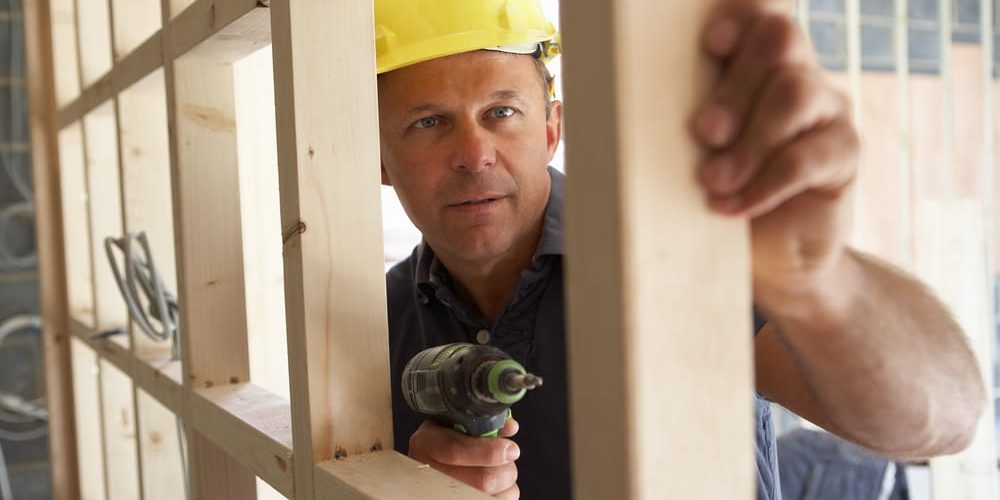
Upgrading your home doesn’t have to mean emptying your savings account. With these affordable enhancements, you’ll see a boost in both value and appeal. Plus, some of these updates could help lower your insurance costs.
Curb Appeal on a Budget
First impressions count, and your home’s exterior is the grand introduction. A fresh coat of paint can work wonders. $100 to $300 on paint can increase your home’s value by thousands. Trimming bushes and adding flowers can also enhance charm. Most people believe expensive landscaping is necessary, but simple touches often offer the best returns. Even a new mailbox or house numbers can make a difference.
In addition to making your home more inviting, these upgrades can catch the eye of potential buyers. And if you’re not selling yet, you’ll enjoy the view every day.
Energy-Efficient Home Upgrades
Saving energy is an upgrade with dual benefits: it enhances your home’s value and cuts down on utility bills. Most people assume solar panels are the only option, but energy-efficient appliances and LED lights are cost-effective alternatives. For instance, replacing old bulbs with LEDs can save you up to $225 per year.
Insulation is another key area. Many homes lack proper insulation, leading to higher energy bills. Consider adding weather stripping to doors and windows. These small changes can make a big difference, both in comfort and in your wallet.
Home Security System Discount
Installing a home security system not only offers peace of mind but can also qualify you for discounts on home insurance. Most people think security systems are costly, but many affordable options exist. Simple camera systems and smart locks can deter intruders and lower premiums.
When insurers see that you’ve taken steps to protect your home, they sometimes reward you with reduced rates. This safety feature is a small price to pay for the savings it can bring. Plus, you’ll sleep better knowing your home is secure. Look into systems that fit your budget and enjoy the benefits.
Insurance Savings with Renovations

Upgrading your home isn’t just about aesthetics. Some renovations can lead to significant savings on insurance premiums. Let’s explore how a few smart changes can lighten your financial load.
Roof Replacement Insurance Discount
A sturdy roof is essential for any home. Replacing an old roof may seem costly, but it pays off. Insurance companies often offer discounts if you have a newer roof because it reduces the risk of damage. If your roof is over 10 years old, consider getting an estimate.
New materials like impact-resistant shingles can further increase savings. While most people delay roof replacements, acting sooner rather than later can enhance your home’s protection and lower insurance costs.
Water Leak Detector Discount
Water damage can be devastating, but a simple water leak detector can prevent it. Installing these devices alerts you to leaks before they cause significant damage, and many insurers offer discounts for having them.
These detectors are small, affordable, and easy to install. By catching leaks early, you avoid costly repairs and potentially lower your insurance premiums. This small device can save you big in the long run. Explore more about this in HGTV’s tips.
Smart Home Insurance Discounts
Smart home devices are more than just convenience gadgets. They can also lead to insurance savings. Smoke detectors, carbon monoxide detectors, and smart thermostats are popular choices that insurers favor.
These devices show that you’re proactive in protecting your home, often resulting in premium discounts. The longer you wait, the more you miss out on these savings. So consider integrating a few smart devices into your home today.

Before you start your home project
Ready to break out the toolbox? Call your insurance agent first. They’ll make sure you remain adequately covered during and after the rehab.
Major renovations increase your home’s value, and therefore the cost to replace it. Depending on the project, you may need to increase your coverage limits. For example, say you’re upgrading from vinyl to aluminum siding. Aluminum is more expensive to replace than vinyl, so you’ll want that reflected in your home policy to ensure you have enough coverage to replace it if it’s damaged. Otherwise, you might end up shorting yourself.
Also, if you decide to hire a contractor, ask for a copy of their certificate of insurance. This is proof that their policy is active. It also provides a snapshot of their coverage. At a minimum, they should have general liability and workers’ compensation insurance for their employees and any subcontractors (people they contract to do a job). If they don’t have adequate coverage, you could be liable for any property damage or worker injuries sustained on the job.
Finally, make sure your contractor understands the local building codes, including your homeowners association’s if you’re in one. Contractors should apply for all necessary permits since they’ll be responsible for the work progression and completion. If they ask you to obtain the permits, it’s a red flag that they might be avoiding accountability or operating without a license.
With proper planning and smart choices, you can boost your home’s value without busting any walls.