
Protecting Your Home from Christmas Tree and Holiday Fires
Key takeaways
- NFPA reports an average of about 155 home fires a year that start with Christmas trees, and electrical distribution or lighting equipment is involved in more than two in five of them.
- Candles start about 46 percent of home decoration fires in December, compared with about 32 percent across the whole year.
- Keep trees, decorations and space heaters at least three feet from heat sources, water a live tree every day, and turn off lights and heaters when you leave the room or go to sleep.
- Maryland requires battery-only smoke alarms more than 10 years old to be replaced with sealed 10-year battery alarms, and DC Fire and EMS installs free alarms for eligible owner-occupied homes.
- Fire is a covered peril on standard homeowners, condo and renters policies, which typically pay to repair the home, replace belongings and cover extra living costs while you are displaced.
December puts a dry tree, strings of lights, open flames and portable heaters in the same rooms at the same time. NFPA identifies December as the leading month for home fires in the United States. Most of these fires are preventable with a few habits, and if one does happen, knowing what your homeowners policy covers makes the recovery far less confusing.
This is our focused fire-safety guide. For package theft, hosting guests and leaving the house empty while you travel, see our broader guide, Stay Safe and Insured This Holiday Season.
Christmas Tree Fire Safety
According to NFPA, U.S. fire departments respond to an average of about 155 home fires a year that start with Christmas trees. These fires are rare, but a dry tree burns fast and hot, so they tend to be serious.
Choosing the tree
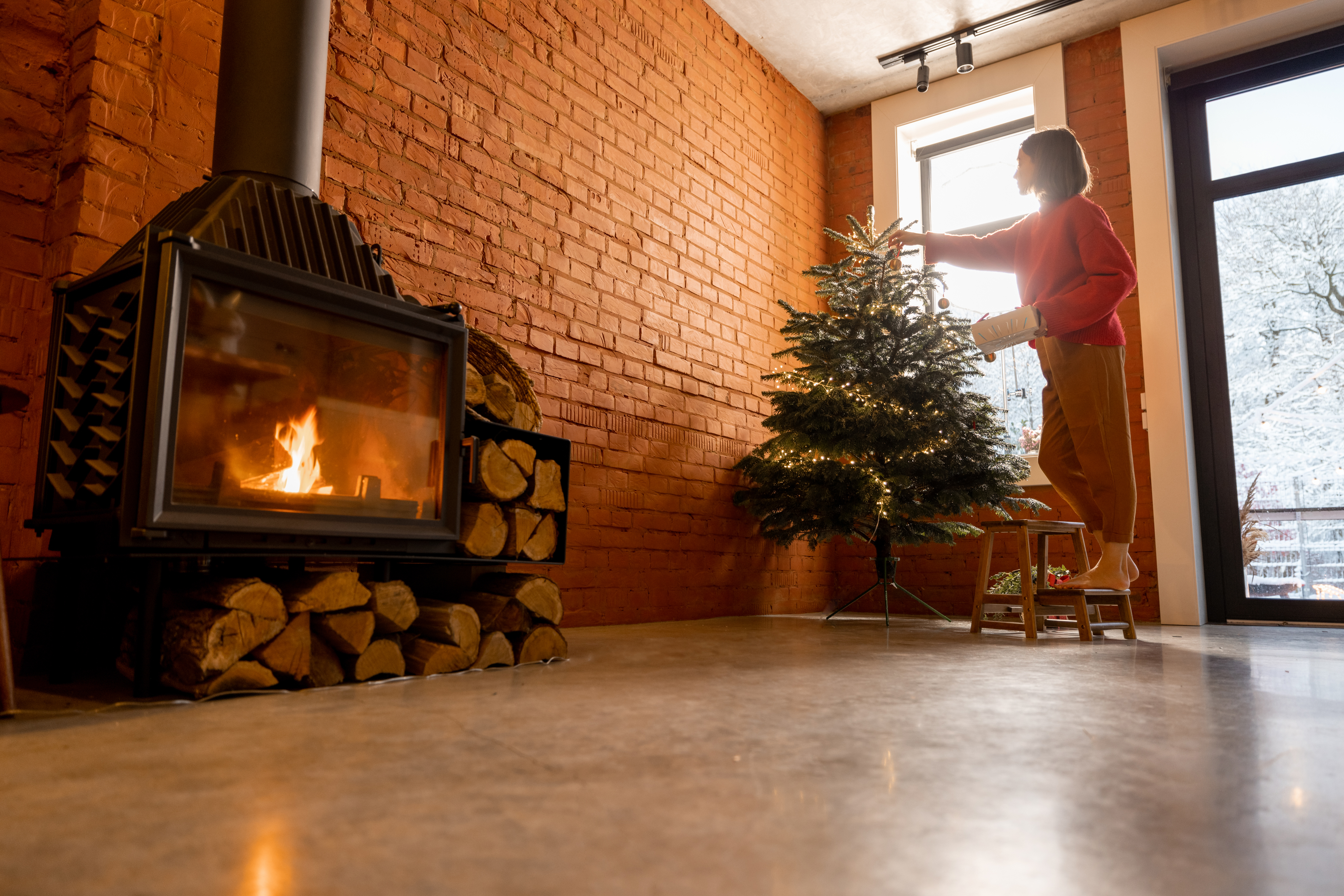
Pick a live tree with fresh, green needles that do not fall off when touched. If you prefer an artificial tree, choose one labeled fire resistant. That label means the tree resists burning, not that it cannot catch fire.
Placing and watering it
- Cut about two inches from the base of the trunk before setting a live tree in its stand, so it can take up water.
- Check the stand every day and add water as needed. A tree that dries out is far easier to ignite.
- Keep the tree at least three feet from fireplaces, radiators, heat vents, space heaters, candles and lights that run hot.
- Make sure the tree does not block a doorway or exit.
Getting rid of it
Take the tree down once it starts dropping needles. Do not store it in the garage or against the house, and never burn it in a fireplace or wood stove. Many local governments in the DMV offer curbside or drop-off tree recycling after the holidays, so check with your county or, in the District, the Department of Public Works.
Holiday Lights and Electrical Safety
Electrical distribution or lighting equipment is involved in more than two in five home Christmas tree fires, according to NFPA. Before you decorate:
- Use lights listed by a qualified testing laboratory, and use indoor lights indoors and outdoor lights outdoors.
- Throw out any string with worn or cracked cords, broken sockets or loose connections.
- Follow the manufacturer’s limit on how many strings you connect end to end.
- Do not run cords under rugs or pinch them in doors or windows, where they can overheat or fray.
- Turn off tree and window lights before you leave the house or go to bed. A timer or smart plug makes this automatic.
Candle Safety
Candles start about 32 percent of home decoration fires over the course of a year, and about 46 percent in December, NFPA reports. Keep candles at least 12 inches from anything that can burn, including curtains, greenery and wrapping paper. Use sturdy holders that will not tip, keep them out of reach of children and pets, and blow them out before you leave the room. Flameless LED candles give the same look with no fire risk, and they work well for windows, mantels and centerpieces.
Space Heaters and Fireplaces
Heating equipment is one of the leading causes of home fires in the winter months. If you use a space heater to take the chill off a guest room or a drafty basement:
- Keep it at least three feet from bedding, furniture, curtains, the tree and anything else that can burn.
- Plug it directly into a wall outlet, not an extension cord or power strip.
- Choose a model with automatic shut-off and tip-over protection.
- Turn it off whenever you leave the room or go to sleep.
For wood-burning fireplaces, have the chimney inspected each year, use a sturdy screen, and let ashes cool before putting them in a metal container with a lid, stored outside and away from the house.
Smoke Alarms and Fire Extinguishers
Test smoke alarms monthly and before guests arrive. Local rules in the DMV are worth knowing:
- Maryland: State law requires battery-only smoke alarms more than 10 years old to be replaced with alarms powered by a sealed 10-year battery with a hush feature. Hard-wired alarms must be replaced with new hard-wired units that have battery backup.
- District of Columbia: DC Fire and EMS provides and installs free smoke alarms for District residents who own and live in their homes. Call the Fire Prevention Division at (202) 727-1614 to request a visit.
- Everywhere: NFPA recommends replacing any smoke alarm that is 10 years old or older, whether it is battery-only or hard-wired. The manufacture date is printed on the back.
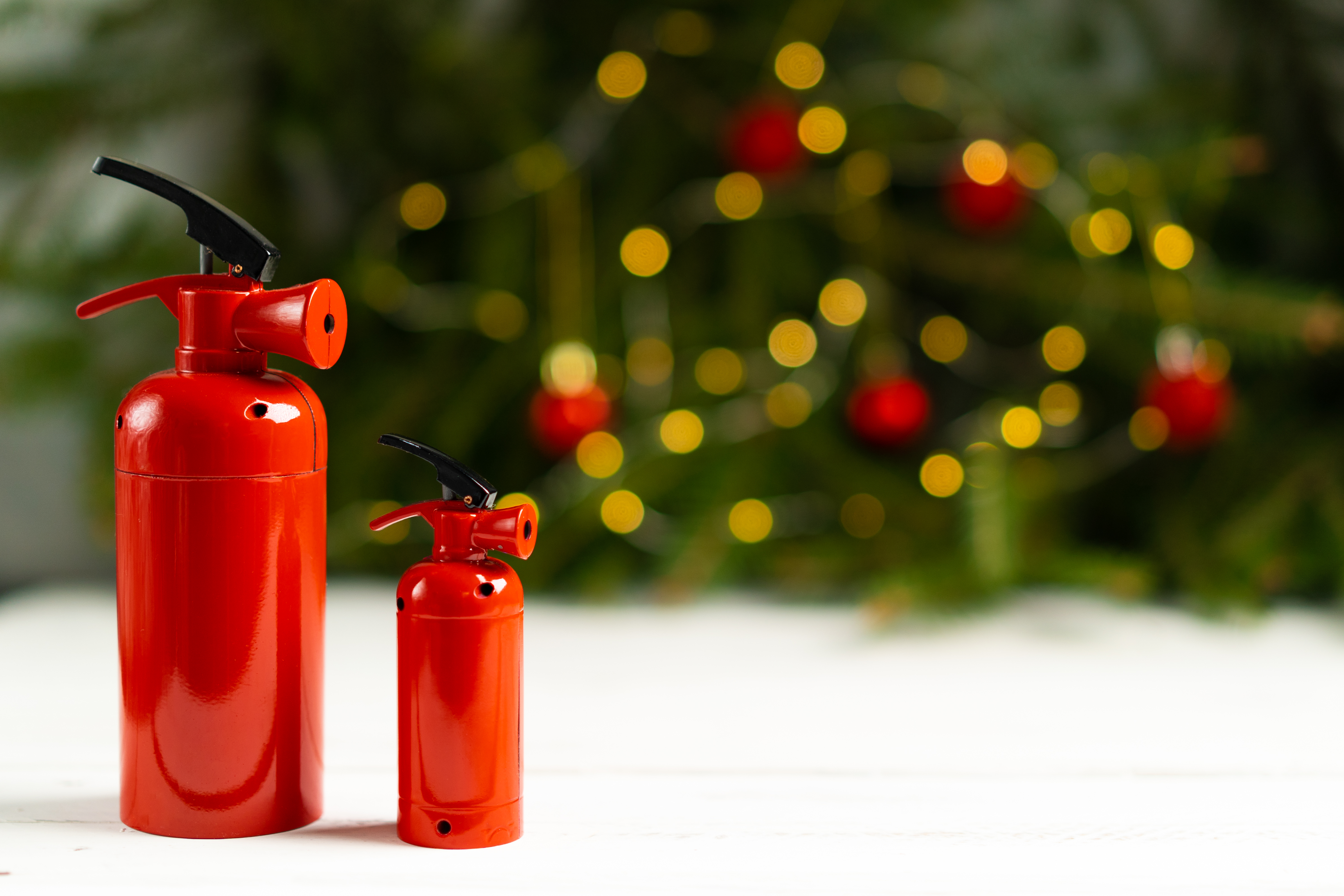
Keep a multipurpose fire extinguisher in or near the kitchen, check its pressure gauge, and make sure adults in the house know how to use it. If a fire grows beyond a small, contained flame, get everyone out and call 911.
What Homeowners Insurance Does After a Fire
Fire is a covered peril on standard homeowners, condo and renters policies, including accidental fires you or a family member caused. A typical homeowners policy responds in four ways:
- Dwelling: Repairs or rebuilds the structure of your home, up to your dwelling limit. If that limit has not kept pace with construction costs, see our guide to replacement cost and dwelling limits.
- Other structures: Covers a detached garage, shed or fence.
- Personal property: Replaces furniture, clothing, electronics and gifts, on either a replacement cost or actual cash value basis depending on your policy.
- Loss of use: Pays reasonable additional living expenses, such as a hotel or rental and extra meal costs, while your home is being repaired.
Renters should know that a landlord’s policy covers the building, not your belongings or your temporary housing. Those come from your own renters policy.
If a fire happens: Make sure everyone is safe and the fire department has cleared the home. Then call your agent or carrier, photograph the damage before anything is moved, take reasonable steps to prevent further damage, keep receipts for hotel stays and meals, and hold on to damaged items until an adjuster has seen them. Our guide to documenting home damage for an insurance claim walks through each step.
Capitol Benefits is an independent agency in Gaithersburg, Maryland, serving homeowners and renters across DC, Maryland and Virginia. If you are unsure whether your dwelling limit or contents coverage would be enough after a fire, we are glad to review it with you.
Frequently Asked Questions
How common are Christmas tree fires?
NFPA reports that U.S. fire departments respond to an average of about 155 home fires a year that start with Christmas trees. They are uncommon, but they tend to be serious because a dry tree burns quickly.
Does homeowners insurance cover a fire caused by a Christmas tree or holiday lights?
Generally, yes. Fire is a covered peril on standard homeowners, condo and renters policies, including accidental fires caused by decorations, lights or candles. Coverage is subject to your deductible and policy limits.
Will insurance pay for a hotel if a fire forces us out of the house?
Most homeowners and renters policies include loss of use coverage, which pays reasonable additional living expenses such as a hotel or rental and extra meal costs while your home is repaired, up to the policy limit.
Is it safe to leave a space heater on overnight?
No. Turn space heaters off when you go to sleep or leave the room, keep them at least three feet from anything that can burn, and plug them directly into a wall outlet rather than an extension cord.
Related reading from Capitol Benefits
Ready when you are
Let's take a look at what you've got.
A real review of your current coverage. No deck, no pressure, and usually some money saved along the way.