
Builders Risk Insurance: Covering a Project While It Is Still Going Up
Key takeaways
- Builders risk covers the project while it is being built, including materials on site, in transit, and in temporary storage.
- The policy term has to cover the whole build. Extending it late is more expensive than writing it long enough at the start.
- Soft costs such as loan interest, permits, design fees, and lost rent are usually not included automatically, and on a delayed project they can exceed the physical damage.
- Coverage ends at completion or occupancy, and the handover to a permanent property policy is where projects most often fall through a gap.
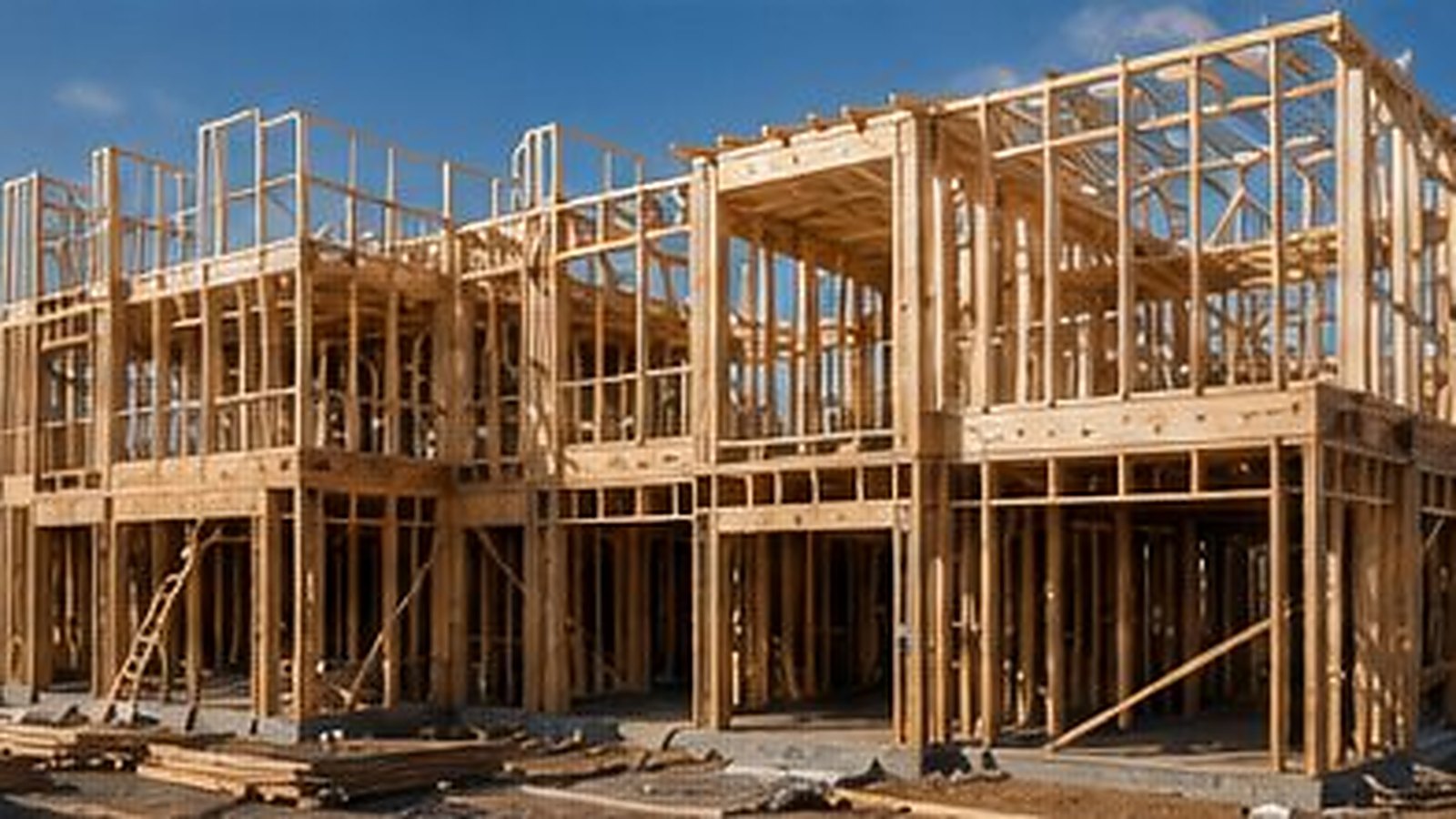
A building under construction is not a building. It has no locks worth the name, materials stacked where anyone can reach them, systems that are not yet finished, and a rotating cast of trades on site. Standard property insurance is not written for that, which is what builders risk exists to handle.
What builders risk covers
The work itself. The structure as it goes up, on a completed value basis, so the limit reflects what it will be worth when finished rather than what exists today.
Materials and equipment. On site, in transit, and stored off site. Each of those needs to be addressed, and the off-site and transit pieces are the ones commonly left out.
Debris removal. Clearing the site after a loss, which on a constrained urban lot is not a minor cost.
Ordinance or law. Particularly relevant on renovation work, where an existing structure may need to be brought to current code after damage.
If a project is about to break ground, let us look at the schedule and the contract before the policy gets written.
The coverage that gets forgotten
Soft costs. A fire that sets the schedule back six months causes physical damage and also six more months of loan interest, extended design fees, re-permitting, and additional general conditions. Soft cost coverage addresses those and is frequently omitted.
Delay in completion, or business income. For an owner expecting rent or revenue on a date certain, the lost income from a delay can dwarf the repair.
Testing. Coverage during commissioning of systems, when a good deal goes wrong.
Theft. Copper, tools, appliances, and finished materials disappear from sites regularly, and the terms around theft deserve attention.
Flood and windstorm. Depending on the site, these may need to be added rather than assumed.
The mistakes that cost real money
The term is too short. Projects run long. A policy written to an optimistic schedule leaves the last stretch uncovered, and buying an extension under pressure costs more than writing it generously at the outset.
The wrong parties are named. The owner, the general contractor, the subcontractors, and the lender all have an interest. Who is a named insured determines who is protected and who can be pursued afterwards.
The limit is the construction budget. Completed value should reflect the finished project including the pieces that are easy to leave out.
Assuming faulty workmanship is covered. Builders risk generally covers resulting damage rather than the cost of correcting defective work itself. How that exclusion is written matters a great deal on a large project.
The handover at completion. Builders risk ends at occupancy or acceptance. The permanent property policy has to be in place at that moment, and the transition is a classic gap.
Building in the DC metro
Projects here bring their own conditions. Tight urban sites in the District where materials cannot be stored anywhere except in the building. Historic rowhouse renovations where the existing structure carries as much value as the new work. Suburban ground-up projects exposed to summer storms. Long approval timelines that stretch schedules and, with them, policy terms. All of it argues for writing the coverage with the specific project in front of you rather than from a template.
Talk to us before the ground breaks
The right time to arrange builders risk is while the schedule and the contract are still being finalised, because both drive the policy. You can tell us about the project and an advisor will follow up.
Frequently Asked Questions
Who should buy the builders risk policy, the owner or the contractor?
Either can, and the construction contract usually specifies which. What matters more is that all the parties with an interest, including the owner, general contractor, subcontractors, and lender, are properly named so everyone is protected.
Does builders risk cover materials before they reach the site?
It can, but transit and off-site storage are typically addressed by specific coverage extensions rather than being automatic. If materials are being fabricated elsewhere or staged off site, that needs to be built into the policy.
What are soft costs and why do they matter?
Soft costs are the non-construction expenses a delay creates: additional loan interest, extended design and permit fees, and lost rental income. On a project delayed by a covered loss they can exceed the cost of the physical repair, and they are not included by default.
Does builders risk cover faulty workmanship?
Generally it covers damage resulting from a defect rather than the cost of correcting the defective work itself. The precise wording of that exclusion varies and is worth reviewing carefully on any substantial project.
When does builders risk coverage end?
Typically at completion, acceptance, or occupancy, whichever the policy specifies. The permanent property policy needs to be in force at that point. The handover between the two is one of the most common places a project ends up briefly uninsured.
What happens if the project runs past the policy term?
Coverage can lapse. Extensions are usually available but cost more when requested under time pressure, and a surety or lender may have views as well. Writing a realiztic, generous term at the start is almost always cheaper.
Need coverage that will satisfy the contract?
Send us the insurance requirements page from your contract. We will tell you what you are missing and quote it.
Related reading from Capitol Benefits
Ready when you are
Let's take a look at what you've got.
A real review of your current coverage. No deck, no pressure, and usually some money saved along the way.