
The 100 Deadliest Days of Summer: A Good Reminder for Families with Teen Drivers
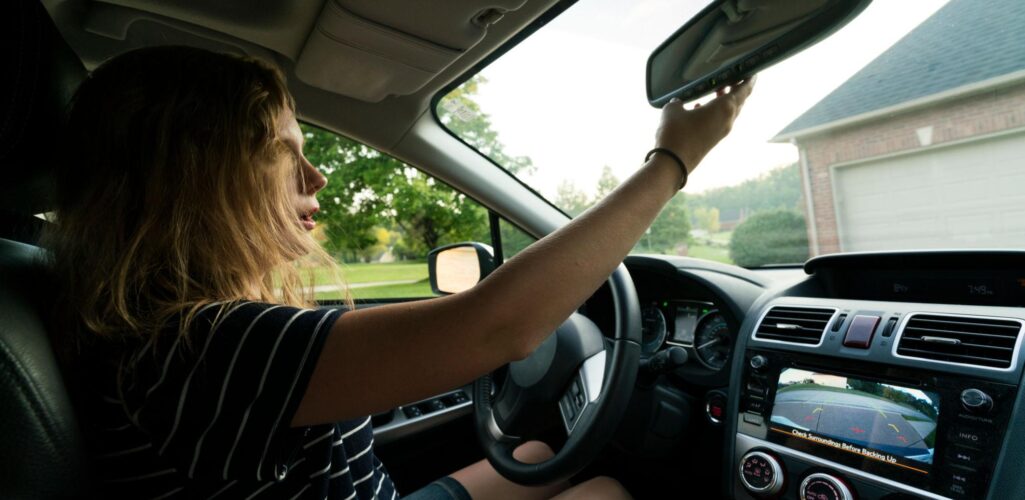
Key takeaways
- The 100 Deadliest Days, between Memorial Day and Labor Day, sees a spike in teen-driver crashes.
- Adding a teen to your existing policy is usually cheaper than a separate policy, and good-student and driver-training discounts can help.
- With a new teen driver, an umbrella policy adds valuable liability protection.
- Reviewing coverage before summer helps DMV families manage both risk and cost.
Summer brings a lot of things families look forward to: vacations, pool days, summer jobs, sports, and a little more freedom.
For teen drivers, that freedom often comes with more time behind the wheel.
What many parents don’t realize is that the period between Memorial Day and Labor Day is commonly referred to as the “100 Deadliest Days of Summer” because it consistently sees a spike in crashes involving teen drivers. School is out, schedules are less structured, roads are busier, and newly licensed drivers are often navigating situations they haven’t encountered before.
As insurance advisors, we spend a lot of time talking about protection. But when it comes to teen drivers, some of the most important conversations have very little to do with insurance at all.
They start at the kitchen table.
Why Summer Can Be More Challenging for Teen Drivers
Learning to drive is a process. A driver’s license isn’t the finish line—it’s the beginning of gaining experience.
During the school year, teen driving patterns tend to be fairly predictable. Summer changes that. More trips with friends. More nighttime driving. More unfamiliar roads. More distractions.
The combination of increased driving time and limited experience creates additional risk, even for responsible young drivers.
That’s why this time of year is a valuable opportunity for families to revisit expectations and make sure everyone is prepared.
Five Conversations Worth Having Before Summer Gets Busy
1. Set Expectations Around Distractions
We all know phones are one of the biggest distractions on the road, but they aren’t the only ones.
Passengers, music, navigation apps, and simply trying to multitask can pull a driver’s attention away from what’s happening around them.
A simple conversation about putting the phone away, limiting distractions, and staying focused can go a long way.
2. Talk Through “What If” Scenarios
Most new drivers know how to operate a vehicle.
Fewer know exactly what to do after an accident, a breakdown, or a flat tire.
Take a few minutes to walk through common scenarios:
- What should they do if they’re involved in an accident?
- Who should they call first?
- What information should they exchange?
- Where is their insurance card located?
- How should they handle roadside emergencies?
When people know what to do before something happens, they tend to respond more calmly when it does.
3. Review Your Liability Limits
This is where insurance enters the conversation.
Many families haven’t reviewed their auto policy in years. Coverage that felt appropriate before adding a teen driver may deserve a second look.
The goal isn’t to buy more insurance simply for the sake of buying more insurance. It’s to make sure your liability protection aligns with your current situation, assets, and risk exposure.
One of the most valuable questions a family can ask is:
“If there were a serious accident tomorrow, would we feel confident in the protection we have today?”
4. Make Sure You’re Receiving Available Discounts
Teen drivers can be expensive to insure, but many carriers offer discounts that families overlook.
Programs may include:
- Good student discounts
- Driver training discounts
- Telematics or safe-driving programs
- Multi-vehicle discounts
The specifics vary by carrier, but it’s worth confirming that you’re receiving every discount available to your household.
5. Create a Family Driving Agreement
This doesn’t need to be formal or complicated.
A one-page agreement outlining expectations around passengers, curfews, phone use, and safe driving habits can help establish clear boundaries.
The value isn’t the document itself.
The value is the conversation it creates.
Protection Is About More Than Insurance
One of the biggest misconceptions about insurance is that protection begins and ends with a policy.
In reality, the strongest protection often comes from preparation, communication, and good habits.
The families who experience the fewest issues aren’t necessarily the ones with the most coverage. They’re often the ones who have taken the time to discuss expectations, plan ahead, and stay engaged.
Insurance plays an important role when something goes wrong.
But the goal is always to help prevent problems whenever possible.
A Good Summer Check-In
If you have a teen driver at home, consider this your annual reminder.
Take 15 minutes this week to review your family’s driving expectations, discuss safety habits, and confirm your coverage still reflects your needs.
It’s a small investment of time that can provide a lot of peace of mind for the months ahead.
And then get back to enjoying summer.
After all, that’s what it’s supposed to be about.
Frequently Asked Questions
How do I add a teen driver without my premium skyrocketing?
Adding a teen does raise premiums, but several discounts soften the hit: good-student discounts, driver-training and telematics or safe-driving programs, and being smart about which car they are primarily assigned to. Bundling home and auto helps too. Because teen surcharges vary widely between carriers, an independent review lets us shop the market for the best fit.
Should I put my teen on my policy or get them a separate one?
For most families, adding a teen to your existing policy is cheaper than a separate policy, because they benefit from your history and multi-car and multi-driver discounts. A standalone policy is rare and usually costs more. We can compare both for your situation.
Do I need umbrella insurance once I have a teen driver?
It is worth serious consideration. A teen driver raises your liability risk, and a serious at-fault accident can exceed standard auto limits and put your assets at risk. An umbrella policy adds an extra layer of liability protection (often $1 million or more) for a relatively low cost.
What is the 100 Deadliest Days period and why does it matter for insurance?
It is the stretch between Memorial Day and Labor Day, when teen-driver crashes spike because school is out and teens drive more. More miles and more risk make it the right time to review your liability limits and discounts, confirm coverage, and talk through safe-driving expectations as a family.
Related reading from Capitol Benefits
Ready when you are
Let's take a look at what you've got.
A real review of your current coverage. No deck, no pressure, and usually some money saved along the way.